
Understanding Window Energy Ratings: 3 Key Tips
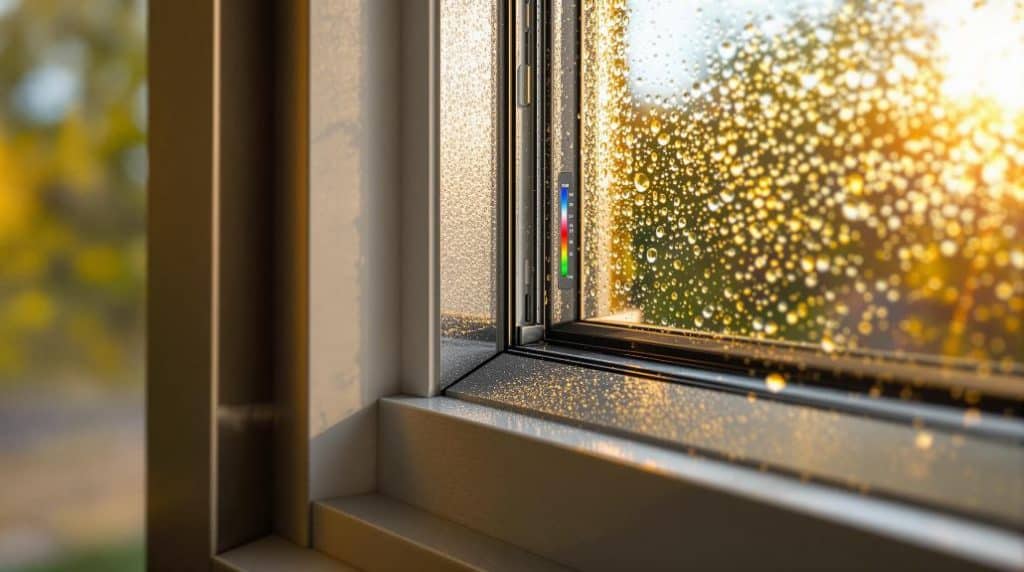
Understanding window energy ratings is easier than you think! First, focus on the U-factor, which tells you how well a window insulates; lower numbers are better. Next, check the Solar Heat Gain Coefficient—this measure shows how much heat from the sun sneaks in; again, lower is usually preferable, especially in warmer areas. Finally, consider the frame material; vinyl is low maintenance and highly efficient, while wood can be a beauty, but requires more love. With these tips, your home will be cosy year-round. Stick around for more helpful insights!
Key Takeaways
- Know the U-factor: A lower U-factor indicates better insulation, reducing heat transfer and improving energy efficiency.
- Evaluate Solar Heat Gain Coefficient (SHGC): Choose windows with lower SHGC values in hot climates to minimise unwanted solar heat gain.
- Check Visible Transmittance (VT): Higher VT values allow more natural light, enhancing indoor lighting while maintaining energy efficiency.
- Look for ENERGY STAR and NFRC Labels: These certifications ensure products meet energy efficiency guidelines and provide standardised performance ratings for comparison.
- Consider Local Climate Needs: Select window features tailored to your climate to maximise comfort and efficiency throughout the year.
Importance of Window Energy Ratings
When it comes to energy efficiency, window energy ratings play an essential role in your home's comfort and sustainability. You mightn't realise it, but those windows can make or break your energy bills.
Imagine cosying up in winter without feeling the chill sneaking through your frames. Quality windows reduce heat loss, keeping your home warm and your heating costs down. Plus, in the summer, they help prevent that unbearable heat gain, meaning your air conditioning won't have to work overtime.
By choosing energy-efficient windows, you're not just saving money; you're also giving your HVAC system a break. Fewer demands mean a longer lifespan for your heating and cooling units. And let's be honest, who doesn't want to dodge expensive repairs?
On top of that, using energy-efficient windows can help reduce greenhouse gas emissions, contributing to a healthier planet. You'll even find financial perks, adding more reasons to upgrade.
Key Components to Consider
Choosing the right windows for your home involves several key components that can greatly impact energy efficiency. You want to make informed decisions that will save you money and keep your home comfortable. Here are three important components to reflect on:
1. Window Frame Materials: Different materials offer varying levels of insulation. Aluminium frames are durable but can conduct heat, while fibreglass provides better insulation.
Vinyl is cost-effective, and wood offers natural insulation but requires more upkeep. Composite frames blend materials for ideal performance.
2. Glazing Options: Think about how many layers of glass you want. Single-glazed windows are basic and not very efficient.
Double-glazed windows are a step up, and triple-glazed offers the best insulation. Low-E coatings and gas fills like argon can enhance performance even further.
3. Certification and Labelling: Look for ENERGY STAR certification and NFRC labels.
These will give you insights into the U-factor, Solar Heat Gain Coefficient, and Visible Transmittance, helping you gauge energy performance.
Tips for Choosing Efficient Windows
Selecting efficient windows goes beyond just understanding key components; it involves making choices that align with your specific needs and environment.
First, consider the glass options. Double-pane or triple-pane windows are your best friends here, as they boost insulation and even help with soundproofing—perfect if you live near a busy road! Low-E coatings are also a smart move, minimising heat transfer and keeping your home cosy.
Next up, frame materials! Vinyl frames are low-maintenance and provide good insulation, while fibreglass frames offer great durability. If you love the natural look, wood frames can be wonderful, but they need a bit more TLC. Just steer clear of aluminium frames, as they tend to let heat escape.
Finally, don't forget about installation. Even the best windows can underperform if they're not installed correctly.
Plus, think about your local climate. Hot areas might benefit from tinted or reflective glass, while colder climates need all the insulation they can get.
Conclusion
So, when you're picking out new windows, remember those energy ratings—they're your best friends! By considering the important components and following our tips, you can choose windows that not only look great but also save you money on energy bills. Plus, you'll be doing your part for the planet, which is pretty cool! So go ahead, let in the light and keep that cosy vibe, all while making an eco-friendly choice. Happy window shopping!