
When Is It Time to Replace Your Boiler? A UK Guide
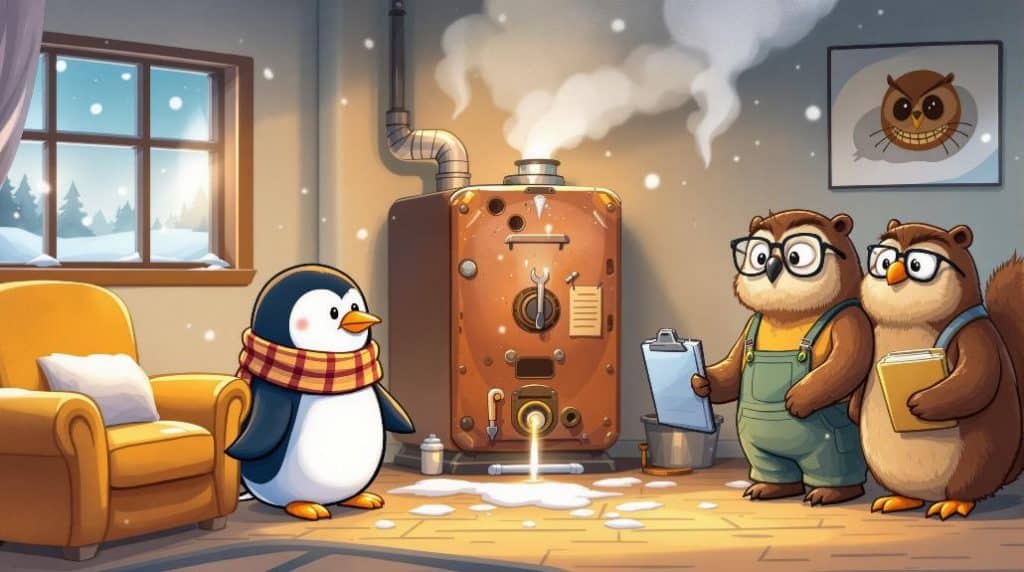
You’ll know it’s time to replace your boiler when you notice key warning signs like frequent breakdowns, unusual noises, or rising energy bills. Most UK boilers last 10-15 years, so if yours is reaching this age and showing inefficiency through cold spots or inconsistent heating, it’s worth considering an upgrade. Don’t wait for a complete breakdown – especially if you’re seeing puddles around the unit or hearing concerning bangs and whistles. While a new boiler costs between £1,500-£5,000, the investment in an A-rated model can greatly reduce your energy bills. Let’s explore your options for making this important home improvement decision.
Key Takeaways
- Your boiler is over 15 years old and operating less efficiently, leading to increased energy bills and potential safety concerns.
- Frequent breakdowns, unusual noises like whistling or banging, and inconsistent heating indicate significant mechanical issues requiring replacement.
- Visible signs of corrosion, water leaks around the unit, or persistent kettling sounds suggest serious deterioration of the system.
- Energy bills have significantly increased despite normal usage, indicating your boiler is no longer operating at optimal efficiency.
- Cold spots in radiators, fluctuating water temperatures, or taking longer to heat your home signal declining boiler performance.
Key Signs of Boiler Failure
While modern boilers are built to last, several warning signs can indicate it’s time for a replacement. If you’re noticing your boiler’s breaking down more frequently than your neighbour’s Wi-Fi, that’s a red flag you shouldn’t ignore. These repairs aren’t just frustrating – they’re also hitting your wallet hard.
Keep your ears peeled for unusual sounds coming from your boiler. Those whistles and bangs aren’t your boiler trying to start a one-man band; they’re telling you something’s wrong. A healthy boiler should purr like a content cat, not sound like it’s auditioning for a percussion ensemble.
If you’re hearing kettling (that’s the technical term for when your boiler sounds like a giant kettle), it’s likely dealing with limescale buildup.
Watch out for visual clues too. Mysterious puddles around your boiler aren’t part of its charm – they’re signs of leaks that need attention.
If your energy bills are climbing faster than a squirrel up a tree, or your radiators are giving you the cold shoulder, it’s time to evaluate saying goodbye to your old boiler.
While simple repairs may only require labor charges, replacing major components can cost between £150 to £350 for parts alone.
Understanding Boiler Replacement Options
Modern homeowners have five distinct boiler options when considering a replacement: combi, system, regular, heat pump, and biomass systems.
If you’re living in a typical UK home and want simplicity, you’ll probably love a combi boiler – it’s like having your heating and hot water needs wrapped up in one neat package.
For larger homes with multiple bathrooms, a system boiler with its hot water tank might be your best bet.
Before you make your choice, you’ll need to think about more than just the type of boiler. Your installer should conduct a proper heat loss calculation to guarantee you’re getting the right size for your home.
They’ll also need to set up your new system to run at 55°C – it’s not just a suggestion, it’s actually required by regulations now!
Don’t forget about the importance of system protection either. You’ll need an in-line filter (think of it as a bouncer keeping the nasty particles out of your boiler) and proper chemical treatment to keep everything running smoothly.
Trust me, these small details make a big difference in your boiler’s long-term performance.
Regular maintenance by Gas Safe engineers will ensure your new boiler operates safely and efficiently for years to come.
Costs and Financial Considerations
Before diving into a boiler replacement, you’ll need to understand the considerable financial commitment involved. A new boiler installation typically costs between £1,500 and £5,000, though prices can climb higher depending on your choice and specific needs.
You’ll find different options to suit your budget, from combi boilers starting at £500 to premium biomass systems reaching £12,000.
Don’t forget to factor in those sneaky additional costs – smart controls, magnetic filters, and possibly new radiators can add up faster than a kettle boils!
For accurate pricing and current deals, check Thames Boiler prices directly through their website.
The good news? You’ve got flexible payment options to help manage the expense, including financing plans that’ll make your wallet a bit happier.
While the initial cost might make you wince, think of it as an investment in your home’s future. A new, energy-efficient boiler can greatly reduce your monthly bills – it’s like giving your energy meter a much-needed diet plan!
Plus, you might qualify for government grants through schemes like ECO, especially if you’re considering eco-friendly options or if you’re in a low-income household.
The Replacement Process
Once you’ve decided to replace your boiler, understanding the step-by-step process will help guarantee a smooth installation. The journey begins with thorough preparation, where you’ll need to clear the area around your boiler and create a clear pathway for the engineers – think of it as giving your new boiler the red-carpet treatment!
Before the installation starts, you’ll need to switch off both power and water supplies, and the system will need to be drained completely. Your old boiler will then bid its final farewell as it’s safely disconnected and removed, making way for its more efficient successor.
The exciting part comes when your new boiler is installed. The engineers will carefully mount it, connect all the necessary pipework, and add any required accessories like system filters or condensate pumps.
With Gas Safe registered engineers handling your installation, you can be confident in both safety and quality standards.
It’s a bit like putting together a sophisticated puzzle, where every piece needs to fit perfectly!
Finally, your new boiler will undergo thorough testing and commissioning. The engineers will check for leaks, ascertain everything’s working efficiently, and verify all safety measures are in place.
Before you know it, you’ll be enjoying the warmth and reliability of your brand-new boiler!
Selecting Your Installation Professional
Now that you know what to expect during installation, finding the right professional to carry out the work deserves careful attention. When it comes to boiler installations, you’ll want someone who’s not just qualified, but also experienced and trustworthy – after all, this isn’t like choosing someone to repaint your garden fence!
First, check for essential certifications. Your installer must have Gas Safe registration for gas boilers, or relevant qualifications like OFTEC for oil systems. It’s worth noting that a certification card is your installer’s equivalent of a superhero’s cape – they shouldn’t work without it!
Look for companies with a solid track record and positive customer reviews. You can start by asking friends and family for recommendations, or checking online reviews. A company that’s been around for several years and has a portfolio of similar installations is often a safer bet than a newcomer to the field.
Don’t forget to verify they offer all-encompassing services, from initial assessment to aftercare support. The best installers won’t just fit your boiler and dash – they’ll provide guidance on system optimisation and stick around for any follow-up support you might need.
You can easily verify an engineer’s credentials by searching their Gas Safe ID number through the official register website.
Aftercare and Maintenance Tips
Taking proper care of your boiler extends its lifespan and maintains its efficiency.
You’ll want to establish a regular maintenance routine that includes annual servicing by a Gas Safe registered engineer and monthly pressure checks. Think of your boiler like a car – it needs consistent attention to run smoothly and prevent costly breakdowns.
Here are three key maintenance tasks you shouldn’t skip:
- Bleed your radiators when you notice cold spots – it’s like giving them a new lease on life.
- Check your boiler’s pressure gauge monthly, aiming for that sweet spot between 1 and 1.5 bars.
- Run your boiler for 15 minutes during summer months, just like warming up an unused muscle.
Don’t forget to insulate those external pipes – they’re particularly vulnerable during those chilly UK winters!
Keep a maintenance log to track your boiler’s performance and any repairs. It’s amazing how a simple notebook can help you spot patterns and potential issues before they become major headaches.
Consider combining your boiler service with unvented cylinder maintenance for comprehensive system care and added convenience.
Frequently Asked Questions
Can I Temporarily Repair My Boiler During Winter While Waiting for Replacement?
You can get temporary repairs during winter to maintain heating, but ensure they’re safe and cost-effective. Consider using portable heaters or emergency boiler services while you wait for your replacement installation.
Will Replacing My Boiler Affect My Home Insurance Policy?
You’ll need to notify your insurer about the boiler replacement. It won’t negatively affect your policy, but failing to inform them could void your coverage. Make sure to update your policy details.
How Long Does a Typical Boiler Replacement Installation Take?
You’ll typically need 1-2 days for a standard boiler replacement. However, if you’re switching boiler types or need complex modifications, it could take 3-5 days, with heat pump installations requiring up to 3 weeks.
Is It Possible to Rent a Boiler Instead of Buying One?
Yes, you can rent boilers ranging from 90 kW to 12,000 kW. You’ll get flexible rental options, rapid installation, and 24/7 support. It’s a cost-effective solution for your short to medium-term heating needs.
What Happens to My Old Boiler After It’s Removed?
Your old boiler will be safely dismantled and disposed of by your Gas Safe engineer. They’ll guarantee proper handling of hazardous materials, and many components will be recycled. Your local authority can also assist with disposal.
Conclusion
Replacing your boiler doesn’t have to be overwhelming. By watching for warning signs, researching your options, and planning your budget carefully, you’ll be well-prepared when the time comes. Don’t forget to choose a qualified installer and keep up with regular maintenance once your new system is in place. With proper care and attention, your new boiler will keep you warm and comfortable for many years to come.
Need this fixed? I handle boiler repairs in Dartford and Gravesend every week. Regular boiler servicing helps prevent most of these faults.