
What Does Your Meter Tell About Heating Bills?
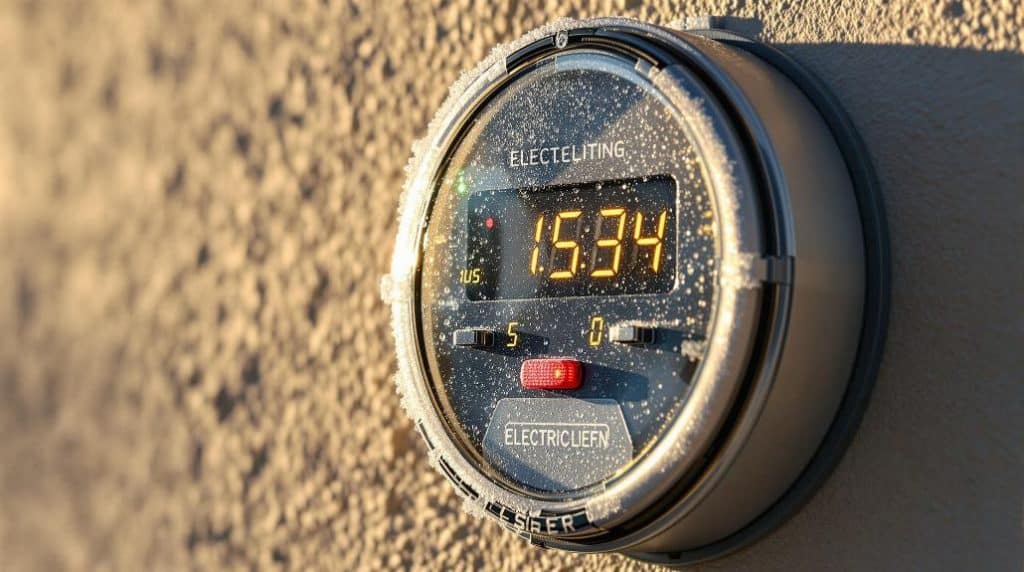
Your metre is like a trusty sidekick, helping you keep tabs on your heating costs. By regularly checking it, you can spot trends in your energy usage and avoid those surprise bills that make you gasp! It shows how much heat you're actually consuming, which can vary with the seasons. For instance, those chilly winter months usually crank up your heating bills. If you've got a smart metre, you can even get real-time updates! So, keep an eye on that metre, and it may just save you some cash this winter. Want to uncover more money-saving tips?
Key Takeaways
- Metre readings indicate actual energy consumption, helping you understand heating costs and identify usage trends over time.
- Regular monitoring of your metre can prevent surprise bills and assist in budgeting for heating expenses.
- Seasonal fluctuations in metre readings reflect changes in energy use, particularly during colder months when heating demands increase.
- Accurate metre performance, ensured through calibration, is crucial for preventing overcharging or undercharging on heating bills.
- Smart metres provide real-time data, allowing you to adjust heating settings and optimise energy use based on current consumption.
Meter Reading Basics
When you start reading your metre, it's essential to understand the basics to guarantee accurate readings. First things first, the sequence matters. For electric metres, you read the dials from right to left. If a pointer's sitting right on a number, only use the higher number if the dial to its right has passed zero; otherwise, stick with the lower one. Sounds tricky? It's like playing a game of number roulette!
Now, if you're dealing with a natural gas metre, you'll read from left to right. Remember, each full turn of a lower dial pushes the next higher dial up by one digit. If a hand's stuck between two numbers, always go with the smaller one—just think of it as being polite!
When you jot down the readings, write them in the order you read them. This helps you track your usage over time.
And trust me, regular monitoring can save you from those surprise bills. It's like keeping an eye on your fridge; you know when it's time to stock up. So, grab that reading, and let's get to saving!
Types of Meters
Reading your metre accurately is just the beginning of understanding your energy consumption. There are several types of metres out there, each with unique features that can help you track your heating bills effectively. Here's a quick overview of some popular options:
| Metre Type | Key Features |
|---|---|
| Electromagnetic | Highly accurate, non-contact measurement; great for various fluids. |
| Ultrasonic | Non-intrusive, ideal for low flow rates; perfect for chilled water. |
| Portable | Great for quick diagnostics; easily transportable for field testing. |
| Thermal Dispersion | Measures temperature differences; detailed energy data on heating. |
| Smart Metres | Two-way communication; real-time data, alerts for outages. |
Each type serves different needs. For instance, if you want minimal maintenance, go for an ultrasonic metre. If you're a DIY enthusiast, portable metres allow you to diagnose energy usage on the go. The right metre can make your heating bill less of a mystery, leaving you more time for important things—like binge-watching your favourite series!
Understanding Your Bill
Understanding your heating bill can seem overwhelming, but breaking it down into its key components makes it manageable.
First, you'll notice the supply charge, which covers the cost of producing electricity. Then, there's the energy charge, reflecting how much electricity you actually consumed, measured in kilowatt-hours (kWh).
Don't forget the fluctuating fuel costs—those sneaky prices can change month to month!
Service costs are another line item, covering maintenance and operational expenses for the infrastructure that keeps your energy flowing. You might also see taxes and fees imposed by state and local governments, which are just part of the game.
Reading your bill can reveal interesting patterns. For instance, you might notice how extreme weather spikes your usage, or how certain appliances might be energy hogs.
Calculating the cost per kWh can give you insight into whether your energy use is efficient.
Impact of Seasonal Changes
As temperatures shift with the seasons, your heating bills can fluctuate considerably, often catching you off guard. One moment, you're cosy, and the next, your energy metre's spinning like it's training for the Olympics! Understanding how seasonal changes impact your heating costs is essential.
The weather directly affects your energy consumption. Cold snaps and more Heating Degree Days (HDD) lead to higher energy use. So, when winter's chill sets in, your heating system works harder, and that can mean a noticeable bump in your bills. Here's a quick look at how temperature variations can affect your energy expenses:
| Season | Average Temperature | Potential Bill Increase |
|---|---|---|
| Winter | Below Freezing | 8.7% |
| Fall/Spring | Mild | Minimal |
| Summer | Above Average | Variable |
To keep your bills in check, consider insulating your home, adjusting your thermostat, and maybe even bundling up a bit. Remember, every degree counts! Use these tips to manage your energy consumption, and you might just keep those bills from surprising you.
The Role of Smart Meters
Smart metres play an essential role in modern energy management, offering real-time insights into your energy consumption. Imagine knowing exactly how much energy you're using at any moment—pretty cool, right? They measure your usage accurately, so you won't get those surprise bills that leave you scratching your head.
With real-time feedback, you can adjust your habits based on current energy prices. If you know it's cheaper to run your appliances at night, you can save money just by timing your laundry!
These metres also help you engage with energy communities, which means you can share energy and learn from others. Plus, they're designed to work with renewable sources like solar and wind, making them future-proof.
Now, while some folks worry about radiation or the cost of installation, remember that the long-term savings often outweigh these concerns.
And hey, if you're ever feeling sceptical, just think of it as a high-tech gadget that helps you become an energy-saving superhero.
Analyzing Energy Consumption
Analysing your energy consumption can reveal critical insights that help you save money and optimise usage. Start by collecting your past and present energy use data; this includes all fuel sources and years of records. Trust me, the DOE Energy Footprint Tool is your best friend here. It calculates annual energy consumption and costs while generating an energy balance that's super easy to understand.
Once you've gathered your data, explore trends and patterns. You might notice that your energy use spikes during winter months or when your heating system is working overtime. You can even use energy regression analysis to normalise your consumption based on factors like weather—because nobody likes surprises in their bills!
Regularly analysing your energy consumption isn't just a chore; it's a chance to uncover opportunities for improvement. Think of it as checking your car's oil—do it often, and you'll keep everything running smoothly.
Plus, developing energy performance indicators helps track your progress. So, roll up your sleeves, grab that data, and let's turn those energy bills into savings. You'll be amazed at what you can uncover!
Managing Energy Costs
While managing energy costs may seem challenging, it's essential for reducing your monthly bills and improving overall efficiency. You can start by identifying sources of energy consumption. Break down your usage by type—natural gas, electricity, and water. This way, you can pinpoint where you're spending the most and where improvements can be made.
Next, keep an eye on energy market trends and negotiate with suppliers when you can. Finding a better rate can save you money. Plus, using smart metres gives you real-time data, making it easier to adjust your habits. Installing a smart thermostat system can lead to energy savings of up to 31% through automated temperature control and scheduling.
| Strategy | Benefits |
|---|---|
| Conduct Regular Energy Audits | Identify inefficiencies |
| Utilise Energy Management Software | Optimise usage and track savings |
| Monitor Market Trends | Lock in favourable rates |
Meter Accuracy Factors
Meter accuracy is vital for guaranteeing you receive accurate billing and managing your energy costs effectively. You mightn't realise it, but several factors can affect how well your meter performs.
For starters, fluctuations in electrical load can lead to inaccuracies. If your power factor dips below unity, your meter mightn't give you the most reliable readings.
Additionally, the quality of your meter's components plays a huge role. If resistors or capacitors are subpar, or if your meter hasn't been calibrated correctly, you could be looking at a distorted bill. Just like a car that hasn't seen a mechanic in years, your meter can suffer from wear and tear, leading to those pesky inaccuracies.
Environmental factors also come into play. Changes in temperature, humidity, or even magnetic fields can impact your meter's performance.
And let's not forget about human error—an operator's skill can make a world of difference in measurement accuracy.
Lastly, adhering to accuracy standards is essential. Regular testing by accredited inspectors guarantees your meter gives you the right information.
Tips for Reducing Bills
To keep your heating bills in check, implementing a few simple strategies can make a noticeable difference.
Start by sealing gaps around windows and doors with caulk and weather stripping. You'd be surprised how much heat escapes through those little cracks!
Insulating your attic is another smart move—it helps retain warmth and can save you hundreds annually.
Don't forget to change your air filters regularly; doing so can lower your energy bills by 5% or more.
And while you're at it, schedule an annual heating system inspection to guarantee everything runs smoothly.
Setting your thermostat to 21 degrees or lower can also save you money, as every degree higher can increase your costs by 4-6%.
When the sun's out, let it work for you—open those curtains to enjoy some natural heat!
Finally, consider investing in a programmable thermostat—it's like having a personal assistant for your heating system.
Regular flue gas analysis helps ensure your boiler operates at maximum efficiency and minimizes fuel consumption.
With these simple tips, you'll feel warmer while keeping your wallet happy. Trust me, your future self will thank you when those bills come rolling in!
Conclusion
So, the next time you glance at your metre, remember it's more than just numbers—it's your ticket to understanding and managing your heating bills. By staying informed about your energy use and making a few smart changes, you can keep those costs in check. Plus, you might even find a few surprises along the way! After all, who doesn't love finding a way to save a few quid? Happy metre reading!
Cold spots or poor circulation? Get in touch — I handle central heating repairs in Dartford and Gravesend. A power flushing is often the most effective long-term fix.