
Cut Electricity Costs: Essential Oven Usage Tips
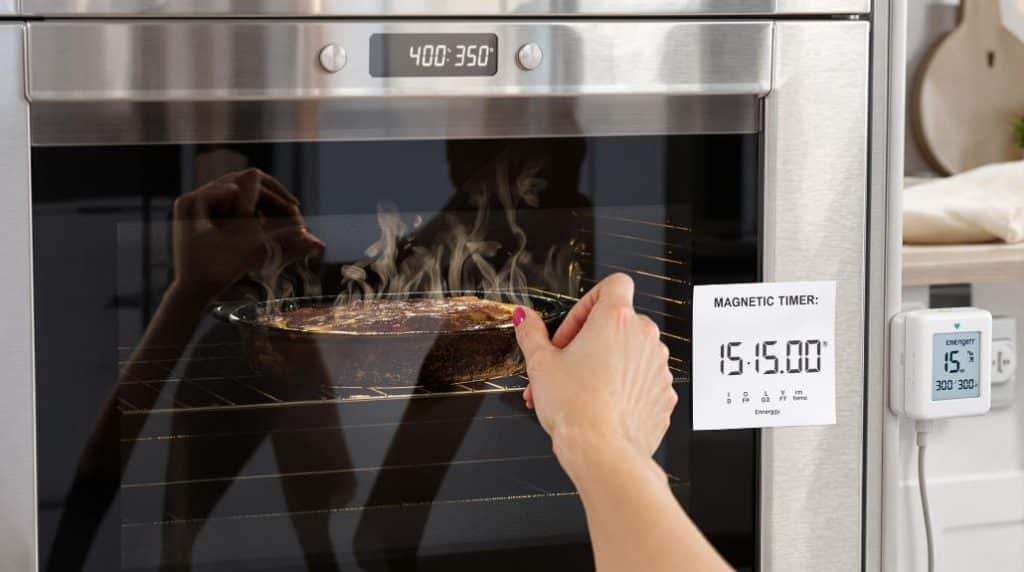
To cut electricity costs when using your oven, start by preheating efficiently—consider skipping it if it's not necessary. Use your convection setting to cook faster and lower temperatures, which can save energy! Try cooking multiple dishes at once; it's like a dinner party but for your appliances. If you turn off the oven a few minutes early, residual heat can finish the job. Always use cookware that retains heat well, like ceramic or glass. Your utility bill will thank you! Stay around, and you'll discover even more savvy strategies to keep those energy costs down.
Key Takeaways
- Opt for a convection oven to reduce cooking time and energy use by circulating hot air efficiently.
- Preheat only when necessary and consider lowering the preheat temperature by 25°C to save energy.
- Maximise oven usage by cooking multiple dishes simultaneously and turning off the oven a few minutes early to utilise residual heat.
- Regularly clean and maintain your oven to ensure optimal performance and energy efficiency.
- Utilise smart technology and smart metres to monitor energy consumption and adjust cooking habits accordingly.
Understanding Oven Energy Consumption
When you think about using your oven, it's important to understand how its energy consumption can impact your utility bills. You might be surprised to learn that the size of your oven matters—larger ovens often eat up more electricity. If you're using a commercial oven, you're looking at a whopping 8,000 watts!
Now, cooking at high temperatures for long periods? That'll crank up your energy usage even more. If you can, try cooking at lower settings.
Have you ever noticed how often you use your oven? Regular baking or roasting can really add up. Different dishes need different temperatures and times, so keep that in mind.
Plus, if your oven's older or not well-maintained, it's likely consuming more energy than a newer, efficient model.
To get a grip on your oven's energy consumption, find its wattage—usually inside the door or in the manual. Then, you can calculate how much energy you're using each month. The more you know, the better you can manage those pesky utility bills!
Efficient Preheating Techniques
Understanding how your oven consumes energy sets the stage for maximising its use, especially during preheating. You want to get the most out of your oven without wasting electricity, right?
Try using the convection mode; it circulates hot air efficiently and can cut your preheating time down. If you're in a rush, the broil setting can also give you a quick boost before switching back to bake.
Don't forget about your oven's size—smaller ovens preheat faster since there's less air to heat up. And remember, preheating isn't always necessary. Use it only when needed to save energy. Lowering the preheat temperature by just 25°C can also help cut costs.
Keep that oven door closed! Every time you peek inside, you let heat escape, which means your oven has to work harder.
Also, make sure your oven is free of clutter for efficient air circulation. If you're cooking a few dishes at once, go for it! Maximising your oven's capacity not only saves time but energy too.
Optimal Temperature Control
To achieve perfectly cooked dishes, mastering ideal temperature control in your oven is essential. When you understand how to manage your oven's temperature, you'll not only enhance your cooking but also save some serious energy. Here's a handy table to help you get started:
| Tip | Benefit | Energy Savings |
|---|---|---|
| Regular Calibration | Guarantees accurate cooking | Prevents overcooking |
| Use Convection Setting | Reduces cooking time by 25% | Save 20% energy monthly |
| Turn Off Early | Utilises residual heat | Cuts unnecessary energy use |
First, regularly check your oven's temperature and calibrate it as needed. Consistent temperatures are key to avoid those culinary disasters we all dread. If you're using a convection oven, you can lower your cooking temperature by -3.9°C—talk about a win-win! Thawing your food beforehand also shortens cooking time and saves energy. Finally, don't forget to turn off the oven a few minutes early; that residual heat is a lifesaver. Embrace these tips, and your dishes will thank you—your wallet will too!
Cooking Multiple Dishes
Cooking multiple dishes at once can be a game-changer, especially when you want to save time and energy.
Imagine whipping up a hearty casserole while baking some bread, all in one go! To make this process smooth and efficient, here are some key tips to keep in mind:
- Preparation is Key: Chop your veggies and gather your essentials before you even turn on the oven.
- Thaw Food First: Defrosting in the fridge cuts down on cooking time and energy use.
- Choose Appropriate Cookware: Opt for flat-bottomed, ceramic, or glass pans to maximise heat retention.
- Match Burner and Pot Sizes: Make sure your pot fits the burner well to avoid wasting heat.
Utilizing Residual Heat
While many cooks focus solely on the cooking process, utilising residual heat can greatly enhance your energy efficiency and cooking results. When you turn off your oven just a bit early, that residual heat keeps working, cooking your food without any extra energy. For example, large roasts can gain an additional 15 degrees after you take them out. Imagine a perfectly cooked roast, thanks to that sneaky oven heat!
Here's a quick table to help you remember some easy tips:
| Tip | Benefit | Best For |
|---|---|---|
| Turn off the oven early | Saves energy | Roasts and casseroles |
| Use heavy cookware | Retains heat better | All types of food |
| Cover pots with lids | Keeps heat in | Vegetables and grains |
You can also cook green veggies by placing them in hot water, then turning off the heat. And hey, if you've got some sauce or butter, stovetop grates can warm them up without firing up the whole stove. So, next time you're baking, think about how you can harness that residual heat—your wallet will thank you!
Energy-Saving Cookware
Harnessing residual heat is just one way to boost your cooking efficiency, but the right cookware can make a significant difference too.
If you want to cut back on energy costs while whipping up delicious meals, consider investing in energy-saving cookware. It's like a secret weapon in your kitchen!
Here are four great options to explore:
- Tri-Ply Cookware: With an aluminium core, it heats up quickly and evenly, so you save energy while cooking.
- Cast Iron: This heavyweight champion retains heat like nobody's business, perfect for slow-cooked dishes. Just remember, it takes a bit longer to warm up!
- Copper Pans: They're fantastic for quick heating, but don't forget the maintenance. A little TLC goes a long way!
- Flat-Bottomed Pots: These maximise contact with your burner, ensuring you're using heat efficiently.
Alternative Cooking Appliances
If you're looking to save energy and time in the kitchen, alternative cooking appliances can be your best friends. These gadgets not only cut down on energy costs but also make cooking a whole lot easier! Check out the quick comparison below:
| Appliance | Energy Usage (Watts) | Benefits |
|---|---|---|
| Air Fryer | ~1,500 | Cooks fast, uses less oil, versatile |
| Slow Cooker | 75-210 | Energy-efficient, convenient for meals |
| Toaster Oven | ~1,225 | Great for small meals, less heat generated |
| Pizza Maker | Low | Compact, quick cooking for various dishes |
| Electric Griddle | Low | Easy cleanup, perfect for breakfast foods |
Imagine whipping up dinner in your air fryer while your slow cooker takes care of that hearty stew. Or using a toaster oven for a quick snack without heating the whole kitchen! You'll wonder why you ever relied solely on your big oven. Plus, these appliances save space and energy, letting you enjoy your kitchen without the hassle. So go ahead, give them a try, and watch your energy bills drop!
General Cooking Efficiency Tips
To cook more efficiently in the kitchen, start by organising your ingredients and workspace before you even turn on the oven.
It might sound like extra work, but trust me, it'll save you time and headaches later. When everything's in its place, you can focus on creating delicious meals without scrambling around.
Here are four tips to boost your cooking efficiency:
- Prep Ingredients: Chop, measure, and organise everything beforehand to streamline your cooking process.
- Clean as You Go: Tidy up your workspace while cooking. It keeps the mess manageable and reduces post-meal chaos.
- Batch Cooking: Prepare larger portions and freeze the extras. This means less time spent cooking during the week!
- Organise Your Kitchen: Create specific zones for different tasks. A clutter-free kitchen helps you stay focused and reduces mistakes.
Planning for Energy Savings
When you're looking to save energy while cooking, planning becomes essential. Start by picking the right oven. Look for models with high energy ratings, like ENERGY STAR or A/B ratings, because they're more efficient. If you can, opt for a convection oven, too, as it cooks faster and at lower temperatures, saving you both time and energy.
Next, think about your cooking methods. Batch cooking multiple dishes at once not only maximises your oven's efficiency but also means fewer cooking sessions overall. Use your stovetop for boiling or frying whenever possible—it typically consumes less energy than the oven.
And here's a handy tip: turn off your oven a few minutes early to take advantage of residual heat!
Don't forget about kitchen optimisation. Good ventilation helps keep your kitchen cool, reducing the need for extra cooling. Regular maintenance of your oven guarantees it runs efficiently, and using smart metres can help you track energy usage.
Conclusion
By using these oven tips, you can really cut down on those pesky electricity bills while still whipping up delicious meals. Remember, a little planning goes a long way—like cooking multiple dishes at once or using that residual heat to finish off your food. So, next time you're baking, channel your inner energy-saving chef! With these strategies, you'll not only save money but might even impress your friends with your savvy cooking skills. Happy cooking!