
What Makes A Fridge Freezer Energy Efficient?
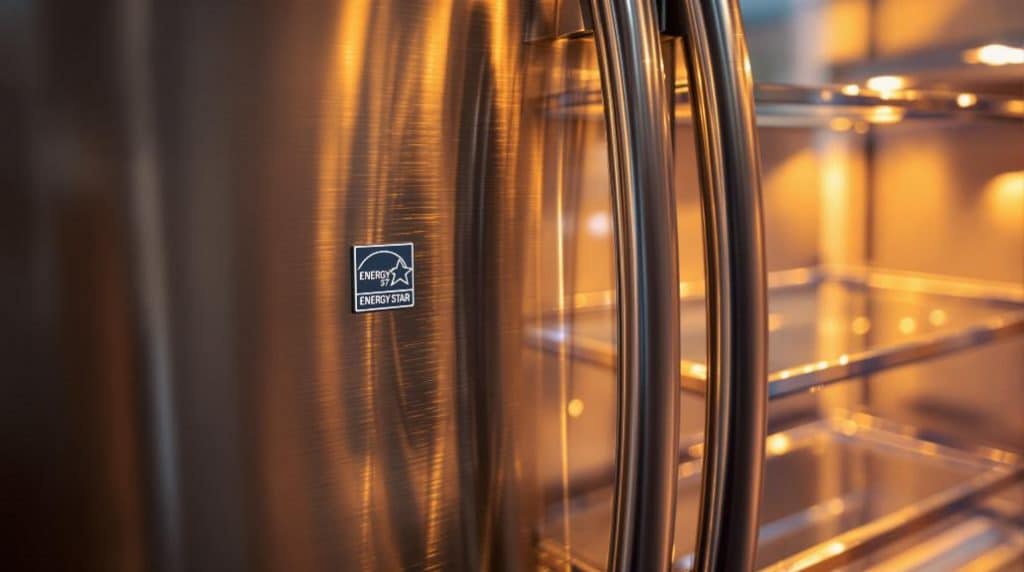
A fridge freezer is energy efficient when it's strategically placed, well-insulated, and the right size for your needs. Keeping it away from heat sources and ensuring good airflow can work wonders. Look for models with an ENERGY STAR label, which means they've passed tough efficiency tests—these can save you money over time! Smart features, like sensors and remote controls, help keep energy use in check. Plus, proper temperature settings are essential; go for 2-3°C for the fridge and -18°C for the freezer. Stick around, and you'll discover even more tips to optimise your fridge freezer!
Key Takeaways
- Proper insulation materials, like closed cell PE-foam and polyurethane, enhance energy efficiency and food preservation.
- ENERGY STAR certification indicates higher efficiency, potentially saving over £220 in energy costs over 12 years.
- Maintaining optimal temperature settings (35-38°F for fridges, 0-5°F for freezers) ensures efficiency and food safety.
- Smart features, such as sensors and ECO modes, optimise cooling and reduce energy waste during low usage.
- Regular maintenance, including cleaning condenser coils and checking door seals, can boost efficiency by up to 30%.
Freezer Placement
When you're setting up your freezer, keep in mind that its placement can considerably affect its energy efficiency. You wouldn't want to set it up next to the oven, right?
Placing your freezer near heat sources like ovens or radiators can make it work overtime, which means higher energy bills. Instead, think about a cool, dry spot, like your basement.
Direct sunlight? That's another no-no! Sunlight can crank up your energy consumption. So, if your kitchen gets a lot of sun, consider using shades or curtains.
You should also guarantee there's enough room around your freezer for air to circulate. If it's cluttered, you're asking for trouble. A little space helps it breathe, and you'll save energy.
Regularly check those condenser coils too; a clean freezer runs more efficiently!
Insulation Materials
Proper placement of your freezer is just one aspect of ensuring energy efficiency; insulation materials also play a significant role in how well your appliance performs.
You mightn't realise it, but the right insulation can save you money and keep your food frozen just the way you like it. Here are some insulation types you should consider:
- Closed Cell PE-Foam Insulation: Great for a wide temperature range and long-lasting performance.
- Polyurethane (PU) Insulation Foams: This high-performance option is energy-efficient and commonly used with Cyclopentane.
- Polylactic Acid Polymer Liners: Made from renewable resources, these liners offer impressive energy savings over time.
- High-Impact Polystyrene Liners: While commonly used, they're less efficient than polylactic acid options.
Energy Efficiency Certifications
Understanding energy efficiency certifications can greatly impact your decision when purchasing a fridge freezer. One of the most recognised labels is the ENERGY STAR label. If you see it, you know the product meets high energy efficiency standards.
ENERGY STAR-certified fridge freezers are about 9 percent more efficient than non-certified models, which means you might save over £220 in energy costs over 12 years. That's money you can spend on more important things, like ice cream!
When you're shopping, keep in mind that ENERGY STAR certification applies to various configurations, like top-freezer and bottom-freezer models. However, larger models, exceeding 39 cubic feet, aren't eligible.
Also, specialised products like wine coolers don't qualify.
Size and Layout
Choosing the right size and layout for your fridge freezer is crucial, as it directly affects energy consumption and efficiency. A well-sized appliance saves energy, while a poorly sized one can lead to wasted electricity.
Ideally, look for a fridge between 16 to 20 cubic feet. Larger models consume more energy, and if it's too small, you might find yourself making extra grocery trips!
Here are some tips to keep in mind:
- Freezer Type: Opt for a chest freezer; they're generally more efficient than upright models.
- Freezer Placement: Top-mounted freezers usually outperform side-by-side options in energy efficiency.
- Automatic Features: Think twice before getting ice makers or dispensers; they can increase energy use by 14-20%.
- Ventilation: Guarantee enough space around your fridge for proper air circulation to help it cool effectively.
LED Lighting Benefits
When it comes to energy-efficient fridge freezers, LED lighting stands out as a smart choice that can greatly enhance performance.
You'll appreciate how LEDs use far less energy than traditional bulbs, saving you money on your electric bill. Plus, they emit much less heat, which means your fridge doesn't have to work as hard to keep things cold. Who wouldn't want that?
Another great perk is their lifespan. LEDs last over twice as long in colder environments, so you won't be changing bulbs anytime soon.
And if you happen to drop one? No worries! They're tougher than your average bulb, which means fewer replacements and lower maintenance costs.
What's more, LEDs provide uniform illumination, making every shelf look inviting.
You'll find that bright, even lighting can make your food look more appealing—perfect for when you're craving a midnight snack!
Finally, with features like occupancy sensors and instant-on capabilities, LEDs are a breeze to integrate into your fridge's energy management systems.
Energy Consumption Analysis
LED lighting enhances the efficiency of fridge freezers, but energy consumption analysis reveals many factors that contribute to overall energy use.
It's not just about the flashy lights; your fridge's energy efficiency hinges on several key features that you might overlook.
Let's break it down:
- Efficient Compressors: These little workhorses can considerably lower energy consumption.
- Improved Insulation: Better insulation means less heat sneaks in, so your fridge doesn't have to work as hard.
- Precise Temperature Controls: Keeping your food at the right temp optimises energy use and keeps things fresh.
- Defrost Mechanisms: Quick defrost systems can save you energy, allowing for a more efficient cooling cycle.
Smart Features and Connectivity
As you explore the latest fridge freezers, you'll find that smart features and connectivity play an essential role in enhancing energy efficiency and convenience. These modern appliances aren't just about keeping your food cold; they're also about saving you time and energy. For instance, smart sensors monitor temperature and humidity, optimising cooling to reduce energy usage. Plus, with Wi-Fi connectivity, you can control your fridge from your smartphone, making adjustments even when you're out grocery shopping.
Here's a quick look at the standout features:
| Feature | Benefit | Energy Impact |
|---|---|---|
| Smart Sensors | Optimise cooling based on conditions | Reduces energy consumption |
| Remote Control | Adjust settings from anywhere | Prevents energy waste |
| ECO Mode | Maximises efficiency during low usage | Cuts down on electricity use |
| Built-In Cameras | Check contents remotely to avoid duplicates | Minimises unnecessary purchases |
These features not only help you manage your food, but they also work together to create an energy-efficient home. So, whether you're using voice control or tracking expiration dates, these smart options make your life a little easier—and your energy bill a little lower!
Sustainable Manufacturing Practices
Smart features in fridge freezers not only enhance your experience but also reflect a shift towards more sustainable practices in manufacturing.
You mightn't realise it, but the way these appliances are made can greatly impact the environment. By choosing energy-efficient fridge freezers, you're supporting practices that prioritise our planet.
Here are some key sustainable manufacturing practices that make a difference:
- Local Sourcing: By sourcing materials from nearby suppliers, manufacturers reduce transportation emissions and boost local economies.
- Eco-Friendly Materials: Using materials with a low Global Warming Potential not only cuts down on pollution but also guarantees durability.
- Energy Conservation: Manufacturers embed energy-saving methods throughout production, optimising energy use and minimising waste.
- Smart Technologies: Integrating smart technologies allows real-time monitoring, helping companies identify ways to improve energy efficiency.
Tips for Energy Savings
To maximise energy savings with your fridge freezer, it's essential to implement a few practical strategies.
First off, keep your refrigerator temperature between 35 and 38 degrees, and your freezer between 0 and 5 degrees. It might be tempting to set it colder, but a drop of just 10 degrees can ramp up your energy bill by 25 percent—yikes!
Next, take advantage of power-saving features when you can. For instance, turning off the anti-sweat feature can save you an extra 5 to 10 percent of energy.
And don't forget to clean those condenser coils at least once a year; it can boost efficiency by up to 30 percent.
Also, be mindful of how often you open the door. Each time it swings open, cool air escapes, so keep it closed! Organising your food helps, too—label and stack items to avoid rummaging around.
Finally, if you're heading out for a while, consider adjusting the thermostat to 85 degrees. Your fridge will appreciate the break, and your wallet will thank you!
Conclusion
Choosing an energy-efficient fridge freezer isn't just about saving money—though that's a nice bonus! It's also about making smarter choices for your home and the planet. From proper placement to energy certifications, every detail matters. By keeping these tips in mind, you can enjoy fresh food and frozen treats without the guilt of high energy bills. So, go ahead, pick that eco-friendly model, and feel good about your fridge's impact—your wallet and the Earth will thank you!