
Why Should You Insulate Your Home’s Heating Pipes?
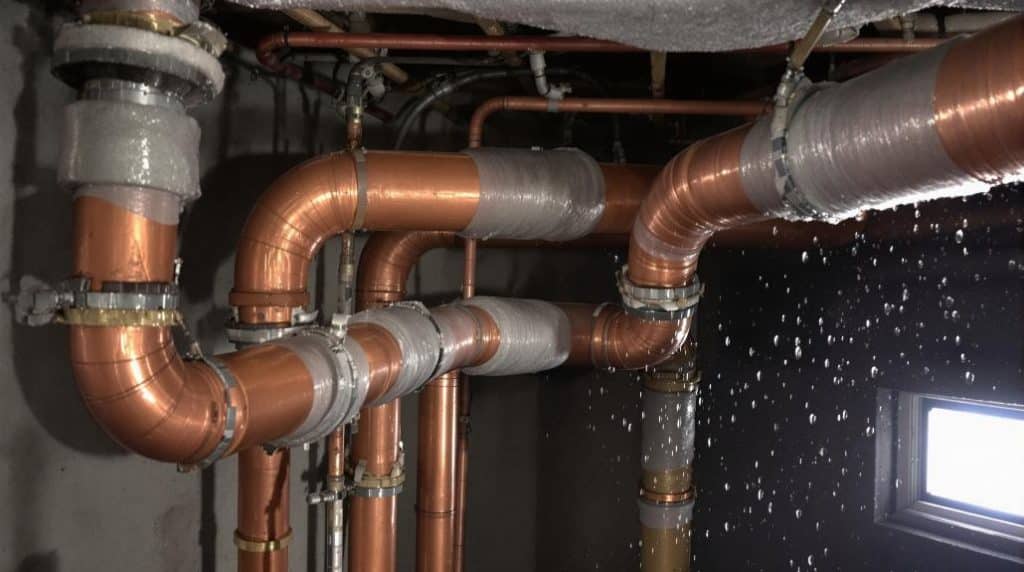
Insulating your heating pipes is a no-brainer! It saves you money—think about cutting your heating bills by 10% to 20%. Plus, insulation helps prevent pipes from freezing, which means no more surprises when you turn on the heat! You'll also enjoy a cosier home without those annoying noises from your pipes. And let's not forget about the environment; better insulation means lower energy use and fewer greenhouse gases. Trust me, a little bit of insulation can make a big difference! Stick around, and you'll discover even more perks of keeping those pipes cosy.
Key Takeaways
- Insulating heating pipes can save you 80-90% on heat loss, leading to significant annual cost savings on energy bills.
- Proper insulation prevents pipes from freezing, avoiding costly damage and repairs during cold weather.
- Insulation reduces noise from heating pipes by 75-90%, enhancing overall comfort in your home.
- It helps control condensation, preventing moisture issues and promoting a healthier indoor environment.
- Insulated pipes contribute to lower greenhouse gas emissions, supporting eco-friendly living and sustainability efforts.
Energy Efficiency Benefits
When you insulate your home heating pipes, you're not just making a small change; you're taking a significant step toward energy efficiency. You know that feeling when you're waiting for hot water? Insulation can help keep that warm water hot, reducing the energy needed to maintain those cosy temperatures.
In fact, proper insulation can save you 10% to 20% on heating costs, which is no small potatoes!
Picture this: with well-insulated pipes, you'll minimise heat loss by up to 90%. That means you won't just be saving money; you'll also enjoy more consistent temperatures throughout your home.
Your heating system won't have to work as hard, leading to lower energy consumption and a longer lifespan for your pipes.
And let's be honest—who doesn't want to save money while being comfortable? Your initial investment in insulation pays off quickly, showing up in your monthly bills.
Plus, you'll notice a difference in how fast that hot water arrives when you need it. So, why not give your home a little upgrade? Insulating your heating pipes is a smart choice for both your wallet and your comfort!
Regular flue gas analysis by a certified engineer can help ensure your heating system maintains its optimal efficiency even with insulated pipes.
Preventing Freezing and Damage
Insulating your home heating pipes doesn't just improve energy efficiency; it also plays an essential role in preventing freezing and potential damage during the colder months. Imagine waking up to a chilly morning, only to discover your pipes have turned into popsicles! By using the right insulation, you can avoid that disaster.
For outdoor pipes, foam insulation sleeves or rubber insulation tape work wonders. If you're in a particularly harsh winter climate, consider adding heat tape or heat cables for extra warmth.
Just remember to clean the pipes first, measure accurately, and apply the insulation snugly. You'll want to cover joints and bends completely, securing everything with duct tape or zip ties.
Also, don't forget to keep your thermostat set to at least 13°C, even when you're away. Opening cabinet doors under sinks lets warm air circulate around pipes, too. It's like giving them a cosy hug!
Of course, if your pipes are in unheated areas like basements, you might need to get creative with heat tracing solutions. Stay proactive, and your pipes will thank you by staying warm and functional all winter long.
Condensation Control
To effectively manage condensation in your home, you'll want to guarantee your pipes are properly insulated. When the surface temperature of your pipes dips below the dew point, that's when condensation occurs, leading to moisture issues. Insulating your pipes keeps them warm enough to avoid this problem.
For best results, choose materials like foam or nitrile rubber, which are great at reducing condensation. If you're dealing with high humidity, consider adding a vapour retarder to your insulation to block water vapour from sneaking in.
Proper installation is key, so make sure you cover all areas and seal any gaps. Think of it as wrapping your pipes in a cosy blanket—no drafts allowed!
Regular maintenance is also essential; check for any wear and tear on your insulation, and don't forget to re-tape those seals annually.
Noise Reduction and Safety
While you mightn't think about it often, the noise generated by uninsulated pipes can be disruptive in your home. Every time water flows, those uninsulated pipes can bang and clank, creating a symphony of sounds that's anything but soothing. Insulating your pipes can reduce that racket by 75-90%! Imagine enjoying a peaceful evening at home without those annoying noises interrupting your favourite show.
But it's not just about comfort. Insulated pipes also play a vital role in safety. They help maintain consistent water temperatures, reducing the risk of sudden scalding from hot water. Did you know that third-degree burns can happen from water as cool as 49°C? Insulation keeps things steady, giving you peace of mind, especially if you have kids or elderly family members around.
And let's not forget fire safety. Uninsulated pipes can be a fire hazard, especially if they're near flammable materials. By insulating those pipes, you're not just reducing noise; you're also protecting your home from potential disasters.
Installation and Materials
When it comes to insulating your heating pipes, choosing the right installation method and materials is essential for maximising efficiency and durability. You want something that fits your home and is easy to handle. Here's a quick look at some popular options:
| Installation Method | Materials |
|---|---|
| Pre-slit foam insulation | Foam pipe insulation |
| Reflective insulation | Fiberglass pipe wrap |
| Spray foam for tight spaces | Heat tape or heat cables |
| Professional installation | Radiant barrier insulation |
Pre-slit foam pipe insulation is a favourite because it's simple to install and remove. If you're dealing with unheated areas, reflective insulation can really help too. And for those tricky spots, spray foam fills gaps nicely. Don't forget to check the insulation regularly—it's like giving your pipes a little love!
Lastly, while DIY is great, don't hesitate to call a pro for complex jobs. Remember, the right insulation not only saves energy but also keeps your home cosy. So, roll up those sleeves, and let's get insulating!
Cost-Effectiveness of Insulation
Insulating your heating pipes not only boosts efficiency but also offers significant cost savings. Imagine slashing your heating bills by £100 to £300 a year—sounds great, right?
By reducing heat loss by 2-5% for every 10°F drop in temperature, insulation helps keep your home warm without cranking up the thermostat. Plus, the average payback period for insulation is just 2-3 years, meaning you'll start saving money pretty quickly.
Now, if you've got exposed pipes in unheated areas, that's where you'll see the highest savings. Insulating those bad boys can dramatically minimise unnecessary energy usage, especially during those chilly winter months.
The U.S. Department of Energy even recommends it!
And let's not forget about property value—homes with insulated pipes are seen as more energy-efficient, which can be a selling point.
So, not only does insulation help you save money on bills, it could also put more cash in your pocket when you decide to sell. It's a win-win!
Maintenance and Longevity
Maintaining your heating pipe insulation is essential for guaranteeing its longevity and effectiveness. Just think about it: uninsulated pipes are like that friend who always gets sick because they refuse to wear a jacket. When you insulate your pipes, you reduce moisture and humidity, which helps prevent corrosion.
Regularly inspecting your insulation for leaks or damage can save you from costly repairs down the line. In winter, well-insulated pipes are less likely to freeze, so you won't have to deal with burst pipes and unexpected disasters. Imagine waking up to a flooded basement—no thanks!
Materials like foam and fibreglass provide great thermal resistance, keeping your pipes cosy and safe. Don't forget about leaks! Insulation reduces temperature-induced stress, which means fewer leaks to worry about.
Just a little maintenance goes a long way. So, schedule those inspections, and don't hesitate to repair or replace damaged insulation. It's like giving your heating system a spa day—everyone deserves a little pampering, right?
Environmental Impact
While you mightn't think about it often, the environmental impact of insulating your home's heating pipes is significant. You could reduce heat loss by an impressive 80-90% in uninsulated pipes, which means less energy wasted and more money saved.
Imagine saving 3-8% of your total energy consumption each year! Less energy used translates to lower greenhouse gas emissions. Every 1% decrease in energy consumption reduces CO2 emissions by nearly one percent—that's a big deal!
By insulating your pipes, you also lower the demand for additional heating, which cuts down on fossil fuel use. Believe it or not, just a 1% reduction can save up to 12,700 tonnes of CO2 annually.
Plus, nobody wants to deal with frozen pipes. Insulating prevents them from freezing during those brutal winter nights, saving you from wasting up to 946 litres of water a day!
Choosing the Right Insulation
How can you guarantee your home's heating pipes are properly insulated? First, you'll want to evaluate the type of insulation that suits your needs. Fibreglass batts are popular and easy to find, but don't overlook options like rigid foam or spray foam. Rigid foam boasts great durability, while spray foam can fill in those pesky gaps, keeping heat where it belongs.
Next, think about your pipes' location. Are they easily accessible? If you're dealing with tight spaces, a spray foam approach might save you some hassle. Also, keep R-values in mind—higher values mean better insulation, leading to greater energy savings.
Don't forget about your local climate; if it gets hot, you might prefer reflective insulation to keep things cool. And please, check those building codes! Ignoring them could lead to some costly surprises later.
Installation can be as simple as wrapping insulation around your pipes, but if it sounds overwhelming, don't hesitate to call in a pro.
Conclusion
So, insulating your heating pipes isn't just a smart move; it's a game-changer! You'll save on energy bills, prevent those pesky frozen pipes, and even cut down on noise. Plus, it's an easy DIY project that pays off in the long run. Just think of it like giving your home a cosy sweater! So, grab that insulation and get started—you'll thank yourself next winter when your home is warm and toasty!
Heating issues? I cover central heating repairs in Dartford and Gravesend callouts — and if sludge is the culprit, a power flushing will sort it.