
Why Insulate Victorian Bay Windows This Winter?
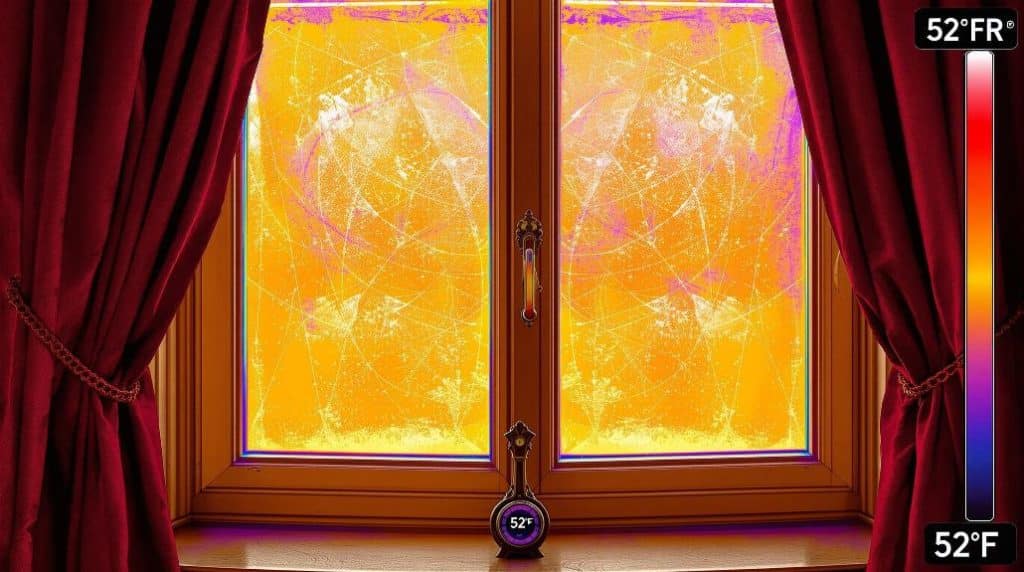
Insulating your Victorian bay windows this winter is a smart move that'll keep you warm and save money. Those draughty windows can let cold air sneak in, making your heater work overtime—yikes! By sealing gaps and using materials like foam or weatherstripping, you can reduce heat loss by up to 30%. Plus, your energy bills could drop considerably. Not to mention, it's eco-friendly, cutting down on your carbon footprint. So, while you're cosying up with a hot drink, you'll also be creating a comfy space. Curious about more ways to boost your home's energy efficiency? There's plenty more to explore!
Key Takeaways
- Insulating Victorian bay windows enhances energy efficiency, significantly reducing heat loss and lowering energy bills during winter months.
- It addresses common draft issues caused by deteriorating seals and worn weatherstripping, ensuring a more comfortable indoor environment.
- Proper insulation stabilises interior temperatures, minimising the risk of dampness and structural damage associated with cold air intrusion.
- Upgrading insulation increases property value and appeal, making homes more attractive to potential buyers in the competitive winter market.
- Insulating windows contributes to eco-friendliness by decreasing energy consumption and reducing your carbon footprint during the heating season.
Importance of Insulating Bay Windows
When you insulate your bay windows, you're not just enhancing your home's aesthetic; you're also making a smart investment in energy efficiency.
Imagine this: it's a chilly winter evening, and you're snuggled up on the couch, sipping hot cocoa. You want to stay warm without cranking the heat. That's where insulated bay windows come in!
By reducing heat transfer, these windows keep the warmth inside and the cold out, leading to lower energy bills. You'll enjoy a cosy home while saving money—what's not to love?
Plus, with stable interior temperatures, you won't have to deal with those annoying draughts.
Let's not forget about the eco-friendly bonus! Energy-efficient windows help you cut down on energy consumption, making your home a greener place.
With advanced materials like multiple glass panes and low-E coatings, your bay windows can shine while working hard to keep you comfortable.
Common Draft Issues
Although you may appreciate the charm of Victorian bay windows, common draft issues can quickly turn that charm into a chilly reality. You might find those drafts sneaking in from various sources, making your cosy home feel more like a wind tunnel. Here's a quick look at some of the most common culprits:
| Common Causes | Symptoms |
|---|---|
| Deteriorating Seals | Cold spots in your room |
| Structural Issues | Gaps in window frames |
| Poor Window Installation | Increased energy bills |
| Worn Weatherstripping | Dampness around windows |
Deteriorating seals around window frames can allow cold air to invade your space, while gaps in the wall or poorly fitting windows create even more pathways for drafts. If you've got single-pane windows, guess what? They lack insulating properties, making them more vulnerable to those chilly gusts. And let's not forget about old, worn weatherstripping that just can't keep the warmth in anymore. Keeping these issues in check might not only save you from the cold but also help you dodge those sky-high energy bills. So, staying vigilant now can save you a lot of trouble later!
Effective Insulation Techniques
Addressing those pesky drafts is just the first step; now it's time to focus on effective insulation techniques that can transform your Victorian bay windows into a cosy retreat.
You'll want to seal all air leaks, which means weatherstripping around the frames is essential. Think of it as giving your windows a warm hug!
Here are some techniques you can try:
- Apply Caulk: Use silicone or acrylic latex caulk to fill gaps between the window frame and your home.
- Rope Caulk: This handy material seals window seams and cracks for that extra layer of insulation.
- Insulate the Bay Window Seat: By adding high-density foam insulation, prevent heat from sneaking away through the bottom.
You can also consider using rigid foam board or spray foam insulation, both excellent choices for bay windows.
If you're feeling adventurous, try insulating window film to enhance thermal properties without sacrificing style.
Remember, a little effort goes a long way in making your home feel warmer and more inviting during those chilly winter months.
Plus, who wouldn't want to enjoy a hot cocoa in a snug space?
Benefits of Upgrading Windows
Upgrading your windows can make a significant difference in your home's comfort and efficiency. When you invest in new windows, you're not just getting a fresh look; you're enhancing performance, security, and functionality.
Imagine a cosy space where drafts are a thing of the past—sounds great, right?
With better performance, your home can feel warmer and more inviting. New windows often come with improved insulation, meaning they keep the heat in during winter and the cool air in summer.
Plus, they can help reduce noise pollution, making your home a peaceful retreat.
Security is another big win! Modern windows often feature advanced locking mechanisms and materials that make it tougher for intruders. You can rest easy knowing your home is well-protected.
Let's not forget about the new features! Upgrading might give you easier-to-use windows with improved aesthetics that fit your style.
Whether you want to let in more light or simply enjoy a clearer view, new windows can transform your space into something special.
Energy Efficiency Improvements
When you focus on energy efficiency improvements for your Victorian bay windows, you not only enhance comfort but also save on utility bills. By insulating your bay windows, you can create a cosy space that keeps the warmth in during those chilly winter months.
Here's what you can do:
- Use rigid foam board insulation for the sills to combat chilly drafts.
- Opt for energy-efficient vinyl frames with foam inside for added insulation.
- Consider installing Low-E glass or double/triple panes to up your thermal game.
Proper installation is key, so sealing any gaps around the window frame is vital. This prevents heat loss and keeps those pesky drafts outside where they belong.
Remember, when your windows are well-insulated, you're not just keeping your home warm; you're also cutting down on those monthly heating costs. With some thoughtful upgrades, you could save up to 12% on your heating and cooling bills each year.
It's like giving your wallet a warm hug! So, explore those energy efficiency improvements, and enjoy a cosier, more energy-efficient home this winter!
Addressing Thermal Bridging
Insulating your Victorian bay windows not only boosts energy efficiency but also helps tackle the issue of thermal bridging.
You see, thermal bridging occurs when gaps and misalignments between your windows and walls create breaks in insulation. These sneaky little gaps let heat escape, leaving you feeling a bit like an ice cube in winter.
To combat this, you can start by ensuring your insulation layers are continuous. Think of it as sealing a sandwich—you wouldn't want any gaps letting the fillings spill out.
Also, using high-quality insulation materials and ensuring they're fitted properly makes a world of difference. If your window frames aren't up to snuff, consider thermally broken frames that minimise heat loss.
And don't forget about those high-risk areas, like where your bay windows meet the roof—it's like a cold draft party waiting to happen!
Regular inspections can help you catch any sneaky thermal bridges before they become a bigger problem.
By addressing these issues now, you're not just keeping your home toasty; you're also saving on energy bills.
Maintenance for Optimal Performance
To keep your Victorian bay windows performing at their best, regular maintenance is essential. Think of it like giving your windows a little TLC—they'll thank you with better insulation and cosy vibes all winter long.
Here are some key maintenance tips to take into account:
- Seal gaps around frames with weatherstripping.
- Upgrade to double or triple glazing for maximum efficiency.
- Inspect for leaks and fix them promptly.
Start by sealing any gaps and cracks; weatherstripping and rope caulk work wonders here. You'd be surprised how much warmth escapes through those tiny openings!
Next, reflect on upgrading your insulation. Double or triple glazing can greatly reduce heat loss, and adding thermal curtains is like giving your windows a warm hug.
Don't forget to regularly check for condensation, too—it's a sneaky culprit that can lead to mould. Addressing any issues promptly guarantees your windows remain energy-efficient and comfortable.
With a little effort, you'll not only enhance the beauty of your Victorian bay windows but also create a snug, inviting space for you and your family. Happy maintaining!
Conclusion
So, insulating your Victorian bay windows this winter isn't just a smart move—it's a cosy one! By tackling those pesky draughts and boosting your energy efficiency, you'll not only save on bills but also enjoy a snug home. Plus, with the right techniques, you can keep your beautiful windows looking great while staying warm. So, grab that insulation and transform your space into a winter haven. Trust me, your future self will thank you when spring rolls around!