
What Makes A Perfect Radiator Bleeding Technique?
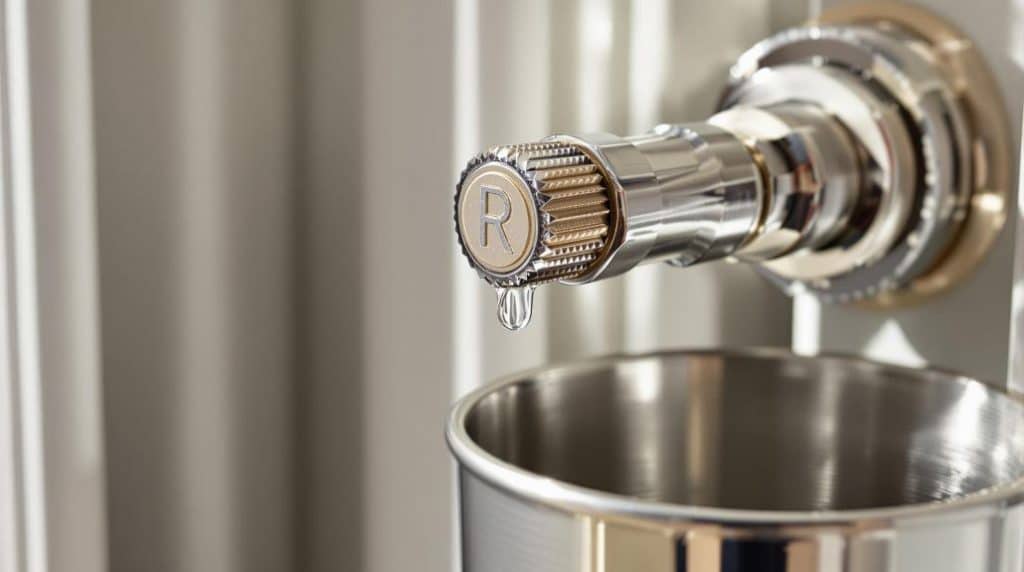
To perfect your radiator bleeding technique, start by turning off your heating system and letting the radiator cool. Grab your radiator key or screwdriver and a bowl to catch any escaping water. You'll want to begin with the radiator furthest from the heat source. Open the bleed valve slowly, listen for hissing to release trapped air, and keep that towel handy for drips! Pay attention to cold spots; they're signs of air pockets. Regularly checking your system guarantees efficiency, so you can warm up your home without any surprises. There's plenty more to discover about keeping your heat cosy!
Key Takeaways
- Start bleeding from the radiator furthest from the heat source to maximise air removal efficiency.
- Use a radiator key or flat-head screwdriver to safely loosen the bleed valve without causing spills.
- Have a container or rag ready to catch any escaping water during the bleeding process.
- Monitor the system pressure gauge after bleeding to ensure optimal heating performance.
- Regularly inspect for air accumulation signs, like cold spots and unusual noises, to maintain effective heating.
Ensuring Safety First
Before you start bleeding your radiator, it's crucial to prioritise safety to avoid accidents. You don't want a scalding surprise, right? First things first, turn off your heating system. This keeps hot water from splashing around and prevents those nasty burns!
And while you're at it, pop on some protective gloves. They'll shield you from any hot water mishaps.
Good ventilation is key, too. Open a window or two to avoid steam build-up and keep the air fresh. Plus, it's wise to keep children and pets at a safe distance. You wouldn't want any curious little ones getting into trouble while you work!
Now, as you prepare, grab some towels. They'll be your best friend in case of spills, soaking up any sneaky water that escapes.
Allow your radiators to cool down before touching them; trust me, your hands will thank you later. If you can, use radiator covers for extra protection.
And remember, avoid direct contact with those hot surfaces! It's all about being smart and safe while you tackle that radiator. With these precautions, you'll be well on your way to a successful bleeding session!
Essential Tools Required
To successfully bleed your radiator, you'll need a few essential tools at your side. First, grab a radiator key or a flat-head screwdriver—this will be your go-to for loosening the bleed valve.
Don't forget a small bowl or rag to catch any water that escapes; trust me, you'll thank yourself later! Protective gloves are a must to keep your hands safe and clean, and a flashlight helps you see those tricky spots better.
You might also want a towel to protect your flooring from any drips. If your radiator has a specific valve type, like a square or hexagonal one, an Allen key or spanners can come in handy.
Some folks swear by a washing-up bowl placed under the radiator for extra protection, too.
While a funnel isn't absolutely necessary for home radiators, it can be useful in some situations. So, gather these tools before you start, and you'll be well-prepared to tackle that radiator like a pro.
With the right gear, you'll feel confident and ready to conquer any radiator challenge that comes your way!
Recognizing Air Accumulation
Air accumulation in your radiator can lead to inefficiency and uneven heating, making it essential to recognise the signs early. You might hear bubbling or hissing sounds from the pipes, almost like the radiator's trying to spill its secrets.
If you notice vibrations or creaking noises, it's another clue that air's trapped inside.
Now, if you touch your radiator and find the top's cold while the bottom's warm, that's a sure sign of trouble. Think of it as your radiator getting a little too cosy at the bottom but feeling chilly up top.
You may even notice different radiators heating up at different speeds—just like siblings fighting over the warmest blanket!
Keep an eye out for leaks or any sludge in your system, which can indicate air intrusion. You can also perform a quick check by opening the bleed valve; if you hear a hissing sound, that's air escaping.
If you're experiencing these signs, don't wait! Recognising air accumulation is your first step toward restoring comfort in your home. A little attention now can save you from chilly surprises later on.
Step-by-Step Bleeding Process
Bleeding your radiator is a straightforward process that can restore your heating system's efficiency. First, make sure your car's parked on a level surface and the engine is completely cool—no one wants a surprise hot splash!
Gather your tools: a radiator cap, funnel, new coolant, and a wrench for the bleed valve if you have one.
Next, locate the radiator and coolant reservoir under the bonnet, then carefully remove the radiator cap by turning it counterclockwise. Don't forget to place a container under the radiator drain plug to catch the old coolant.
Once that's done, refill the radiator with fresh coolant using a funnel until it's filled to the top.
Now, start your engine and let it run for a few minutes to circulate the coolant. If your car has a bleed valve, open it slightly to release any trapped air.
Keep an eye on the temperature gauge—overheating is a bad sign! After the engine cools down, check the coolant level and adjust if necessary.
And just like that, you're on your way to a happy, heat-efficient radiator!
Common Challenges and Solutions
While you might expect bleeding your radiator to be a smooth process, various challenges can arise that complicate matters.
For instance, air pockets can stubbornly persist, especially if your radiator has a complex layout or if you haven't bled it properly. If you notice your radiator still isn't heating well, inadequate pressure might be to blame. Sometimes, just raising the system pressure temporarily can help.
Watch out for faulty valves or sludgy build-ups; they can block water flow and make your life harder than it has to be. If you find that you're dealing with persistent cold spots even after bleeding, it might be time to call in a professional. They can help diagnose hidden issues that could be lurking in your system.
You'll also want to guarantee you're using the right tools, like radiator keys, and always remember safety first—turn off the heating and let things cool down before you start. If your radiators remain cold at the top after bleeding, a radiator balancing check might be necessary to restore proper heat distribution.
Additional Tips for Efficiency
How can you maximise the efficiency of your radiator bleeding process? First, safety's key—always turn off your heating system. You don't want hot water surprises!
Next, gather your essential tools, like a radiator key and an old towel. Trust me, you'll thank yourself later for catching drips.
Before you start, check your boiler pressure. You want it between 0.8-1 bar, so your system runs smoothly. Look for those radiators that need attention—uneven heat or cool spots are your clues.
When you find the bleed valve, give it a gentle turn anticlockwise. Listen for the hissing sound; that's the air escaping, followed by water. Close it up once the water flows out.
Now, if you're tackling vertical radiators, a stable step ladder is your friend. Just make sure it's on level ground to avoid any accidents.
After you've bled those radiators, inspect for leaks and verify even heating. Remember, it's a good idea to repeat this process at the start of the heating season. Keeping an eye on your boiler pressure and checking for cold spots will keep your home cosy all winter long!
Advanced Bleeding Techniques
When you're ready to take your radiator maintenance to the next level, employing advanced bleeding techniques can make all the difference. First, gather your tools—a radiator bleed key or flathead screwdriver, and don't forget an old towel to catch any spills. It's like having a trusty sidekick on your radiator adventure!
Before you get started, turn off the heating system and let those radiators cool down. You don't want to be greeted by a surprise splash of hot water!
Start bleeding the radiator farthest from the boiler, working your way toward the closest. This guarantees you're pushing out air efficiently, much like a well-orchestrated dance.
When you turn the bleed valve anticlockwise, listen for that satisfying hissing sound of air escaping. Once water flows steadily, close the valve tightly—just like sealing a jar of your favourite jam.
After bleeding, check the pressure gauge on your boiler. If it's low, don't panic; just re-pressurise, and you're back in business!
With these techniques, you're not just maintaining your radiators—you're enhancing their performance and extending their lifespan. Now, go ahead and show those radiators some love!
Importance of Regular Maintenance
Regular maintenance of your radiator is essential not only for its longevity but also for the overall performance of your vehicle. Think of it like a regular check-up; a little attention goes a long way! You wouldn't skip a doctor's appointment, right? Regular inspections, ideally every six months, help catch small issues before they snowball into major problems.
Here's a handy table to keep you on track:
| Maintenance Task | Frequency | Benefits |
|---|---|---|
| Radiator Service | Every 48,280 kilometres/2 years | Extends radiator life |
| Coolant Flush | Every 48,280 kilometres | Prevents overheating |
| Visual Inspection | Every 6 months | Spot leaks and corrosion early |
| Radiator Replacement | 80,467 – 160,934 kilometres | Guarantees peak engine temperature |
| Overall Vehicle Maintenance | Regularly recommended | Reduces costly repairs |
Maximizing Energy Savings
To maximise energy savings in your heating system, it's crucial to address trapped air within your radiator. If you ignore those pesky air pockets, they'll disrupt hot water flow, leaving you with cold spots and higher bills.
But don't worry! Regular bleeding can help, and it's easier than you think. Here are four tips to boost your energy savings:
- Bleed Regularly: Make it a habit to check and bleed your radiators at least once a season. This keeps hot water flowing freely and your home toasty.
- Check System Pressure: After bleeding, check the pressure gauge. If it's low, add cold mains water to get it back to the ideal level.
- Balance Your Radiators: Adjust those radiator valves for even heat distribution. This way, every room gets a fair share of warmth.
- Prevent Sludge Buildup: Regular bleeding helps keep your radiators clean. If you notice a lot of sludge, consider a professional flush.
Working with Gas Safe registered engineers ensures your heating system maintains optimal efficiency while meeting all safety requirements.
Conclusion
So there you have it—bleeding your radiator isn't just a chore, it's a chance to boost your heating system's efficiency! With the right tools and techniques, you can tackle it like a pro. Plus, you'll save on energy bills while keeping your home cosy. Remember, regular maintenance is key! So grab that radiator key, channel your inner handyman, and make your home as warm and welcoming as a hug on a cold day. Happy bleeding!
Cold spots or poor circulation? Get in touch — I handle central heating repairs in Dartford and Gravesend. A power flushing is often the most effective long-term fix.