
5 Best Floor Insulation Solutions For Terraced Homes
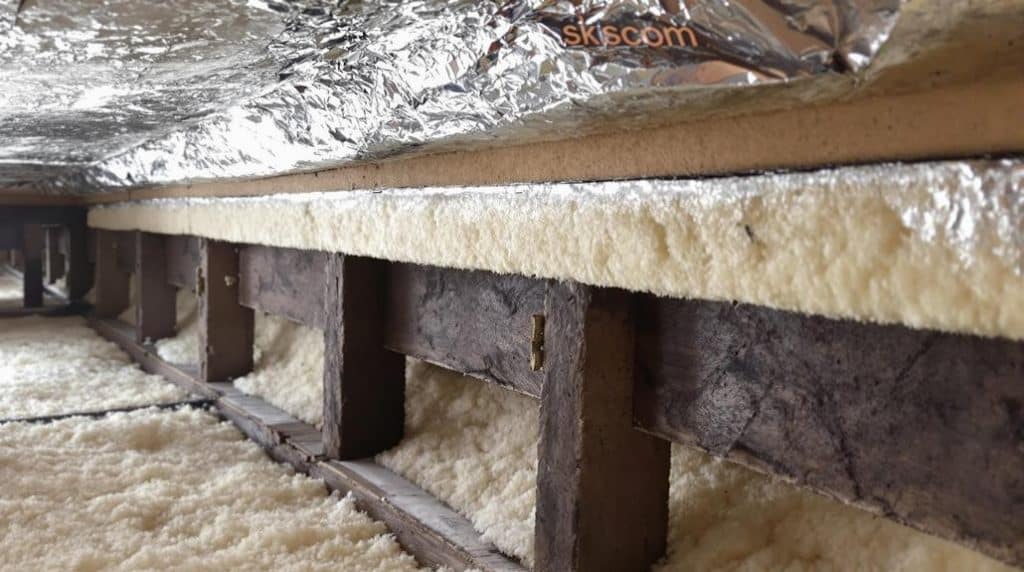
You deserve a cosy home, and picking the right floor insulation for your terraced house can make all the difference. Start with Multi-Foil Insulation, which reflects heat and lowers energy bills—it's a real game-changer! Next, consider Blanket Insulation options like fibreglass; they're affordable and versatile. Insulating Screed is perfect for even heat distribution, especially if you've got underfloor heating. Rigid Foam Insulation provides excellent thermal efficiency while keeping out moisture. Finally, Structural Insulated Panels can cut your energy bills greatly. Want to know which one suits your needs best? Stick around for some useful tips!
Key Takeaways
- Rigid Foam Insulation: Offers high thermal efficiency and moisture resistance, making it ideal for terraced homes with limited space.
- Blanket Insulation: Cost-effective and versatile, it provides effective thermal performance in lofts and walls while requiring careful gap sealing to prevent moisture issues.
- Multi-Foil Insulation: Lightweight and easy to install, this option reflects heat in summer and retains warmth in winter, reducing overall energy costs.
- Insulating Screed: Enhances thermal efficiency and moisture control, suitable for underfloor heating systems and provides a protective barrier for insulation.
- Structural Insulated Panels: Deliver superior insulation with faster construction times, significantly reducing energy bills and improving structural integrity in terraced homes.
Multi-Foil Insulation Benefits
Multi-foil insulation offers a range of benefits that can greatly enhance your home's energy efficiency. Imagine reducing heat loss through your floors, roofs, and walls while enjoying a cosy home year-round.
With multi-foil insulation, you get a 3-in-1 solution that acts as insulation, a radiant barrier, and vapour control all at once. This means it reflects heat away during those sweltering summer days and retains warmth in winter, keeping your thermal comfort levels just right.
By minimising your heating and cooling needs, this insulation can greatly cut down your energy bills. Plus, it boosts your Energy Performance Certificate (EPC) rating, which is always a bonus if you plan to sell your home someday.
You'll be pleased to know that multi-foil insulation is made from recycled materials, contributing to a lower carbon footprint and helping you play your part in the planet's future.
It's even lightweight and easy to install, making it a perfect choice for tight spaces like lofts or smaller homes.
Blanket Insulation Overview
When exploring insulation options for your terraced home, blanket insulation stands out as a versatile and effective choice. You've got several types to evaluate, like fibreglass, which is affordable and widely used.
If you're leaning towards eco-friendliness, mineral wool or sheep wool might catch your eye. They not only insulate well but also add a sustainable touch to your home.
Installation is a breeze, too. You can go for a friction fit between joists, or if you're feeling crafty, use the faced stapled method to keep everything secure. Just remember, sealing those gaps is vital to prevent moisture problems later on.
The benefits are hard to ignore. Blanket insulation is cost-effective, with prices ranging from £10 to £25 per m², making it budget-friendly.
It works wonders in lofts and walls, adapting easily to various spaces. However, keep in mind that it can be sensitive to moisture and might need a good thickness for ideal heat retention.
Insulating Screed Applications
Insulating screed applications offer a practical solution for enhancing thermal efficiency in your terraced home. By adding this layer, you're not just improving comfort; you're reducing your energy bills too! It acts like a warm blanket, keeping your home cosy while cutting down on the need for heating or cooling.
You'll also appreciate how it controls moisture, forming a protective barrier that helps maintain the insulation's effectiveness over time.
Plus, if you've got underfloor heating, insulating screed makes heat distribution a breeze, letting you enjoy every nook and cranny of your cosy abode.
There are different types of screeds to evaluate. For instance, a bonded screed is great for heavy loads, while a floating screed works well over insulation.
Don't forget about micropore screeds, which are lightweight and perfect for damp areas!
With the right installation, these screeds not only improve comfort but also enhance the structural integrity of your floor.
Rigid Foam Insulation Features
After enhancing your home's thermal efficiency with insulating screed, consider the remarkable advantages of rigid foam insulation. This stuff packs a punch when it comes to keeping your home cosy and energy-efficient. With high R-values, it's like giving your house a warm blanket that keeps the cold outside where it belongs.
But wait, there's more! Rigid foam insulation is moisture-resistant, which means it helps prevent pesky mould and rot from making unwanted appearances.
Plus, it creates a tighter building envelope, enhancing air sealing. You'll notice fewer draughts, which is a win for indoor comfort and air quality.
If you're worried about noise, you'll appreciate its soundproofing properties. Imagine watching a film without hearing your neighbour's loud music—sounds great, right?
You can choose from different types, like EPS, XPS, or ISO, depending on your needs and budget.
Structural Insulated Panels Advantages
Structural insulated panels (SIPs) offer a smart choice for homeowners looking to enhance energy efficiency and structural integrity.
These panels provide an impressive solution that not only saves you money but also keeps your home cosy. Imagine reducing your energy bills by up to 60%—now that's worth considering!
Here are a few key advantages of SIPs:
- Higher R-Values: You get 100% greater R-Values compared to traditional framing, meaning better insulation.
- Faster Construction: SIPs allow for quicker assembly, so your project can be completed in no time.
- Durable Enclosure: These panels create a robust structure that withstands extreme weather conditions.
Conclusion
When it comes to insulating your terraced home, you've got some fantastic options. Whether you lean towards multi-foil or rigid foam, each solution has its perks. Think about your needs, budget, and how cosy you want your space to feel. With the right insulation, you'll stay warm in winter and keep cool in summer—plus, save on those energy bills! Happy insulating, and may your home be as snug as a bug in a rug!