
5 Window Energy Standards For UK Building Compliance
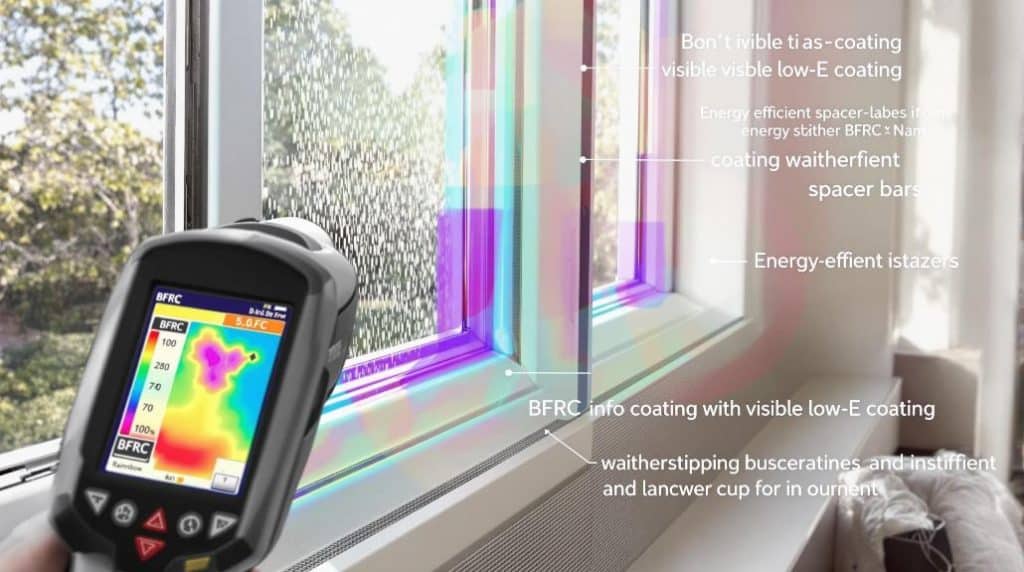
To make certain your windows meet UK building compliance, there are five key energy standards. First, you'll want your windows to have a maximum U-value of 1.4 W/m²K for new builds. Second, aim for a minimum Window Energy Rating of band B for replacements—it'll save you on heating bills! Don't forget, safety glazing is a must if your windows are below 1500mm from the floor. Next, verify emergency escape windows are easy to open and unobstructed. Finally, keep all installation documents handy to avoid pesky fines. Interested in what more compliance entails?
Key Takeaways
- Minimum energy rating for replacement windows must be band B according to the BFRC and BSI standards.
- The maximum U-value for new windows and glazed doors is set at 1.4 W/m²K.
- Existing windows in renovations can have a maximum U-value of 1.6 W/m²K.
- Double or triple glazing is recommended to enhance energy efficiency and reduce heating bills.
- Compliance documentation for window installations is essential to meet regulations and avoid penalties.
U-Value Requirements
Understanding U-value requirements is vital for guaranteeing energy efficiency in both new builds and existing dwellings.
When you're planning a new build, keep in mind that the maximum U-value for external walls should be 0.18 W/m²K, while windows and glazed doors shouldn't exceed 1.4 W/m²K. Sounds straightforward, right? Just remember, these calculations must follow British and ISO standards to keep things above board.
If you're renovating an older home, the rules shift slightly. For example, existing external walls can have a maximum U-value of 0.30 W/m²K, and windows can go up to 1.6 W/m²K. It's important to hit these targets during major renovations to guarantee your home is cosy and energy-efficient.
Don't forget about floors and roofs! New floors should also stick to a maximum U-value of 0.18 W/m²K, while pitched roofs can vary between 0.16 and 0.18 W/m²K based on insulation placement.
Window Energy Rating Standards
Window Energy Rating Standards play an essential role in determining the energy efficiency of your windows. These ratings help you understand how well your windows can insulate your home and keep the heat in. It's a bit like choosing a cosy blanket; you want the best one, right?
Various organisations use different scales for Window Energy Ratings. For example, the BFRC rates windows from A++ to E, while BSI uses A++ to G. The higher the rating, the better the performance. Check out this handy table:
| Rating Scale | Efficiency Level |
|---|---|
| A++ | Highest efficiency |
| A* | Very high |
| B | Good |
| C | Fair |
| E | Poor |
To comply with UK Building Regulations, replacement windows must achieve at least a band B rating. This means that if you're upgrading, you can save on heating bills and enjoy a cosier home. Plus, with independent testing by organisations like BFRC, BSI, and Certass, you can trust that your windows are up to snuff! So, why not make your home a little more energy-efficient today?
Safety Glazing Regulations
When upgrading your home's windows for better energy efficiency, don't overlook the importance of safety glazing regulations. It's vital to know where safety glass is required. For instance, if your windows are less than 1500mm from the floor or within 300mm of a door, you'll definitely need safety glass. This includes any door glazing that falls within that height, ensuring you're protected from accidental impacts.
You might be surprised to learn that low-level glazing, under 800mm, also requires safety glass unless there's a barrier in place. Even sidelights adjacent to doors must meet this standard.
To comply, you can choose from laminated glass, which resists impacts, or toughened glass that breaks into small, rounded pieces—much safer than sharp shards!
Don't forget about fire-resisting glazing in specific areas, too. Regularly updated regulations, like Approved Document K and B, cover these aspects, so staying informed is important.
Think of it this way: ensuring your home is safe doesn't just protect you; it also gives you peace of mind. After all, who doesn't want their home to be as safe as it's energy-efficient?
Emergency Escape Specifications
To guarantee your home meets safety standards, you must pay attention to emergency escape specifications.
These details aren't just bureaucratic red tape; they're your ticket to safety when it counts.
Imagine needing to escape a situation quickly—having the right windows can make all the difference.
Here are some critical specifications you should keep in mind:
- Minimum Opening Size: At least 0.33 square metres.
- Minimum Dimensions: Clear width or height should be no less than 450mm.
- Height from Floor Level: The bottom of the opening must be no higher than 1,100mm.
- Accessibility: Windows should open easily from the inside, without keys or tools.
- Obstruction: Make sure there are no bars, grilles, or permanent fixtures blocking your escape.
Compliance With Building Regulations
Ensuring compliance with building regulations is essential for both safety and energy efficiency in your home. You mightn't realise it, but those regulations, especially Part L, play a huge role in keeping your energy bills down and your home cosy.
For instance, the maximum U-value for windows and doors is set at 1.4 W/m²K. The lower this number, the better your windows insulate against heat loss. Think of it as your home wearing a cosy sweater instead of a flimsy shirt!
When you're installing new windows or replacing old ones, double or even triple glazing is your best friend for meeting these requirements. It's like adding extra layers to keep out the cold.
Plus, using thermally efficient frame materials can really amp up your home's energy efficiency.
Don't forget, compliance isn't just about fitting windows; you'll need to document everything. Picture taking photos and keeping detailed reports – it sounds a bit tedious, but it's necessary to avoid fines or delays.
Ultimately, following these regulations helps you contribute to a greener planet while keeping your home safe and snug. So, let's get those windows sorted!
Conclusion
When you're diving into window energy standards for UK building compliance, you're not just ticking boxes. You're ensuring safety, efficiency, and a comfy space to live in. Remember, whether it's about U-values or safety glazing, staying compliant can save you money and hassle in the long run. Plus, who doesn't love a cosy, energy-efficient home? So go ahead, make those windows work for you, and enjoy the view!