
Best UK Washing Machine Cycles for Lower Bills
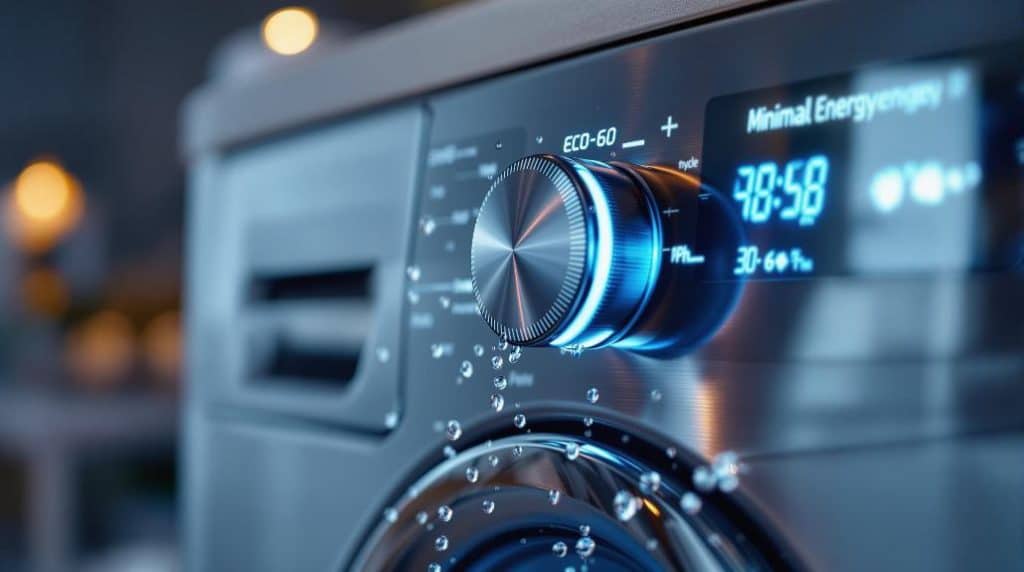
To lower your bills while keeping your clothes fresh, consider cold water washes and eco settings on your washing machine. Washing at 30°C can cut energy consumption by up to 90%—that's a win for both your wallet and the planet! Eco modes often use less water and operate at lower temperatures for longer cycles, which really help save energy. Additionally, always wash full loads and give your machine some TLC by maintaining it regularly. Trust me, your clothes and your bills will thank you. Stick around, and you'll discover even more money-saving washing tips!
Key Takeaways
- Use eco mode settings to save energy, which can reduce bills compared to standard cycles.
- Opt for cold water washes at 30°C to cut energy consumption by up to 90% and save on utility costs.
- Wash full loads whenever possible to maximise energy and water savings without overloading the machine.
- Choose longer cycle times for better cleaning effectiveness; quick washes may not adequately clean heavily soiled items.
- Perform regular maintenance on your washing machine to ensure optimal efficiency and reduce unnecessary energy usage.
Benefits of Cold Water Washing
When you switch to cold water washing, you're not just saving money; you're also making a positive impact on the environment. By choosing cold water, you could cut down your washing machine's energy consumption by a whopping 90%! That means more money in your pocket and less carbon dioxide in the air—about 1,600 pounds a year per household. Talk about a win-win!
But it gets better. Cold water is gentler on your clothes, which means less wear and tear. You won't have to worry about shrinkage or fading colours, and delicate fabrics like silk will thank you for the cool treatment.
Plus, it's easier on your utility bills, saving you when you wash at 30°C.
Imagine that: cleaner clothes and a healthier planet without breaking a sweat. You can keep your favourite garments looking fresh and vibrant for longer, all while doing your part for Mother Earth.
Understanding Eco Settings
Understanding eco settings on your washing machine can make a significant difference in both your laundry results and your environmental impact.
When you switch to eco mode, you're not just saving a few pennies; you're also being kind to our planet. It's a win-win situation!
Here are some key features of eco settings that you should know:
- Water Conservation: Eco modes use less water, which is great for both your bills and the environment.
- Lower Temperatures: Operating between 30°C to 40°C, these cycles reduce energy consumption while still cleaning effectively.
- Longer Cycle Time: Eco modes often take longer, but that's okay! Good things come to those who wait, right?
- Energy Efficiency: You can save between 35% and 59% on energy just by switching to eco.
Using eco settings not only helps your wallet, but it also extends the life of your fabrics.
Plus, who doesn't want to feel like a superhero saving the planet, one wash at a time?
Energy Consumption Insights
As you assess the energy consumption of your washing machine, it's essential to recognise how various factors contribute to your overall efficiency.
First off, energy efficiency ratings can be your best friend; aim for that A+++ rating, as it means lower kWh usage. Larger machines might seem appealing, but remember, they consume more power. So, keeping your load size optimised can help prevent unnecessary energy expenditure.
Did you know that heating water for those warm cycles burns quite a bit of energy? Opt for cooler settings when you can!
Also, the type and duration of the wash cycle matter. Longer cycles use more energy, so if you're in a hurry, quick washes might be tempting. Just keep in mind, they mightn't clean as well.
Spin speed is another factor to evaluate. Higher speeds extract more water but also gulp energy, so find a balance.
Plus, using your machine during off-peak hours can save you some cash. And if your washing machine has load sensors, use them! They adjust water and energy based on how much you've loaded, maximising efficiency. Now that's a win-win!
Water Usage Comparisons
Choosing the right washing machine can greatly impact your water usage, especially when you compare different types.
You might be surprised at how much water these machines consume, which can affect both your bills and the environment.
Here's a quick rundown of what you need to know:
- Modern front loaders: They average just 50 litres per standard wash, making them the most efficient choice.
- Modern top loaders: These can use between 120 to 150 litres, which is quite a jump!
- Older machines: If you're still using one, be prepared for a whopping 180 litres per wash.
- Full-sized front loader average: Even these use about 80 litres, so it's worth considering newer models.
When you think about it, each wash adds up.
If you're washing heavier fabrics or using longer cycles, your water usage will spike even more.
So, if you want to keep those bills down and feel good about your impact, it's time to weigh your options.
After all, who wouldn't want to save a little money while being eco-friendly?
Tips for Optimizing Use
To make the most of your washing machine and keep your water usage in check, optimising how you use it is essential. Start by washing full loads—this saves energy and water. Just don't overload, or your clothes won't get clean. Distributing them evenly helps too; it prevents tangling and makes drying more efficient.
When it comes to cycles, opt for lower temperatures whenever possible. Your laundry will still come out fresh, and you'll cut down on energy costs. For smaller loads, quick wash or half-load settings can save you time and resources. If you have heavily soiled items, consider pre-washing or soaking them first.
Lastly, regular maintenance is fundamental. Clean the filters and ducts to keep everything running smoothly—trust me, your future self will thank you!
| Tip | Benefits |
|---|---|
| Wash full loads | Saves energy and water |
| Use lower temperatures | Cuts energy costs |
| Regular maintenance | Keeps machine efficient |
Common Cycle Comparisons
When comparing washing machine cycles, understanding the specific features and benefits of each option can make a significant difference in your laundry routine.
You've got a variety of cycles at your fingertips, and knowing when to use each can save you time, energy, and even money.
Here's a quick rundown of some common options:
- Eco Mode: This cycle conserves water and energy by using lower temperatures, perfect for those everyday loads.
- Delicate Setting: If you've got soft fabrics, this gentle cycle prevents damage while still getting them clean.
- Quick Wash: Short on time? This is your go-to for small loads, but just remember, it mightn't tackle those stubborn stains.
- Soak Cycle: For heavily soiled items, this cycle allows for extended cleaning, so those tough stains don't stand a chance.
Cost Savings From Eco Cycles
Switching to eco cycles not only benefits the environment but can also lead to significant cost savings on your utility bills. By using lower water temperatures and longer wash times, eco cycles reduce energy consumption, helping you save anywhere from 35% to 59% compared to standard hot cycles.
Imagine trimming up to £54 off your annual bills just by making this simple switch!
Now, it's essential to recognise that eco cycles mightn't be your go-to for heavily soiled laundry or urgent washes, but they shine for regular loads.
Think about it: running full loads on eco mode means less energy and water wasted, which is great for both your wallet and the planet. Plus, if you have an A-rated washing machine, you're already on the path to saving even more.
Don't forget to take into account your energy tariff; some offer reduced rates during off-peak hours, giving you a double whammy of savings.
Conclusion
In summary, choosing the right washing machine cycles can really help you save on bills and be kinder to the planet. By opting for cold washes and eco settings, you're not just saving money; you're also making a smart choice for your home. So, next time you toss in a load, think about those eco cycles. Your wallet and the environment will thank you! Plus, you'll feel like a laundry hero—who doesn't love that?