
Why Does Your Kettle Need Less Water Daily?
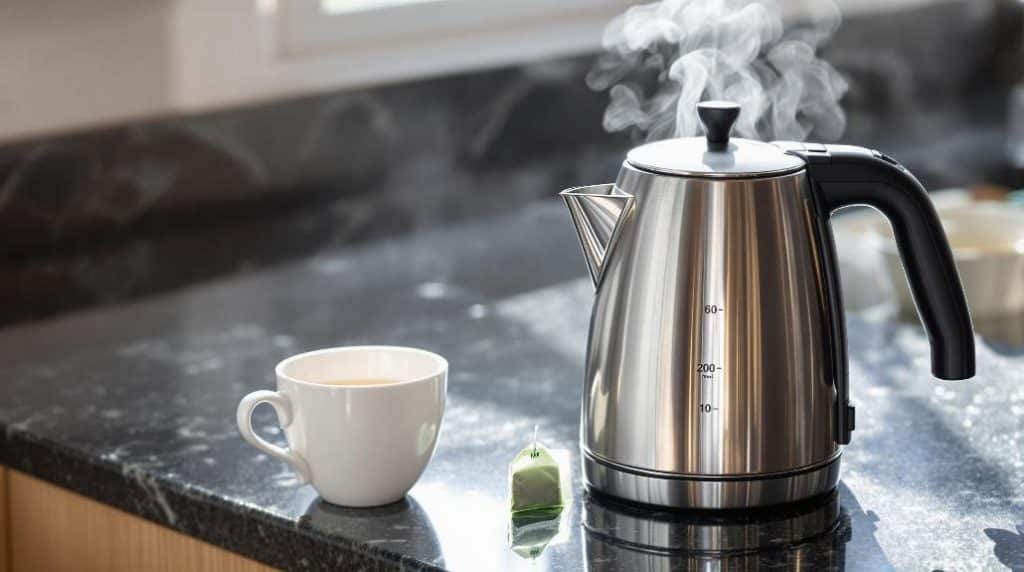
Your kettle needs less water daily because it saves energy, money, and helps preserve our precious freshwater supply. Think about it: heating only the right amount of water means you're not wasting energy on extra boiling. Plus, if you're just making one cup of tea, why fill it to the brim? You'll notice savings on your energy bills, and you'll give your kettle a longer life too! It's like giving your kettle a little spa day every time you're mindful of how much water you use. Stay tuned for easy tips on maximising that kettle performance!
Key Takeaways
- Reducing kettle water usage prevents waste, conserving precious freshwater resources essential for drinking and sanitation.
- Using less water in your kettle lowers energy consumption, resulting in reduced electricity bills and a smaller carbon footprint.
- Filling the kettle with only the necessary amount enhances its lifespan by minimising wear and tear from excessive heating.
- Daily reductions in kettle water usage can lead to significant annual savings, both financially and environmentally.
- Optimal water levels prevent overheating and avoid damage, ensuring safe and efficient kettle operation.
Importance of Water Conservation
Although water covers a significant portion of our planet, only a tiny fraction is suitable for drinking, making water conservation essential for everyone. You mightn't realise it, but only about 1.2% of the Earth's water is fresh and drinkable. That's a pretty small amount when you consider it!
Clean water is vital for your health; without it, you're at risk of waterborne diseases that can affect millions each year.
Now, imagine this: by 2050, one in four people is expected to face water shortages. Yikes! That's a lot of thirsty folks. So, conserving water isn't just a good idea; it's a global necessity.
Plus, maintaining water resources supports ecosystems and biodiversity. Healthy ecosystems mean cleaner water and a better environment.
You can also save some cash! Efficient water use reduces your water bill and cuts costs for everyone involved, like businesses and local governments.
Energy Efficiency Benefits
When you choose an energy-efficient kettle, you're not just making a smart purchase; you're also taking a step toward reducing your energy consumption and saving money.
These kettles are designed to use only the electricity you need to boil water, meaning less power wasted and more money saved on your electricity bills. Isn't that a win-win?
With advanced heating elements and better insulation, energy-efficient kettles heat water quickly and retain warmth longer.
Imagine making your morning tea with just the right amount of water, avoiding the temptation to fill it to the brim.
Plus, many of these kettles come with features like variable temperature settings, so you can avoid that dreaded overheating.
You wouldn't want to scorch your precious tea, right?
Environmental Impact of Boiling
As you consider the environmental impact of boiling water, it's important to understand how your choice of fuel or appliance affects both the planet and your health. Whether you're using solid fuels or electric kettles, each option carries unique consequences.
| Fuel Type | Environmental Impact | Health Concerns |
|---|---|---|
| Solid Fuels | Increases energy consumption and air pollution | Linked to respiratory diseases |
| Electric Kettles | Significant household energy use | Potential leaching of harmful substances |
| Renewable Energy | Can reduce carbon footprint | Improves overall water safety |
| Unsustainable Practices | Strains local vegetation | Contributes to climate change |
| Clean Cooking Methods | Minimise indoor air pollution | Supports better health outcomes |
When using solid fuels, you might unknowingly contribute to indoor air pollution, which is responsible for millions of premature deaths each year. In contrast, electric kettles can leave a hefty carbon footprint, depending on how electricity is generated. Remember, making informed choices about your boiling methods isn't just about convenience—it's about creating a healthier environment for you and future generations. So, next time you boil water, think about the bigger picture!
Financial Savings From Less Water
Understanding the environmental impact of boiling water leads us to contemplate another important aspect: financial savings from reducing water usage. You mightn't realise it, but saving water in your kettle can actually lighten your bills!
For instance, if you cut down kettle usage by just 1 litre daily, you'll save about £0.45 a year. That doesn't sound like much, right? But think bigger; a 10% reduction means a whopping 3.65 gallons less water each year!
Now, let's talk energy. Boiling water isn't just about water; it's also about electricity. If you're using less water, you're using less energy too. A 20% reduction could save you around £1.20 every month! That's a nice little bonus for simply being more mindful.
Plus, reducing how much water you use can actually extend your kettle's lifespan. A 10% cut can add an extra 1.5 years to your kettle's life.
Common Kettle Usage Patterns
While many people might think of kettles as simple appliances, their usage patterns reveal a lot about our daily routines and preferences. You might be surprised to learn that the number of people in your household influences how you use your kettle. For instance, if you live alone or with one other person, you probably boil just enough for 1-2 cups at a time. But in larger households, that number jumps to 3-5 cups!
Here's a quick look at common kettle usage patterns:
| Household Size | Typical Usage (Cups) | Peak Usage Times |
|---|---|---|
| 1-2 people | 1-2 | Morning & Evening |
| 3-5 people | 3-5 | Morning & Evening |
| 6+ people | 6+ | Morning & Evening |
| All Sizes | 4-6 times daily | Afternoon (Low Use) |
Most of the time, you're probably boiling water for that perfect cup of tea or a quick noodle fix. And let's be honest, who doesn't love a steaming cup of comfort? So, next time you fill your kettle, think about what it says about your routine!
Factors Affecting Kettle Efficiency
When it comes to kettle efficiency, several key factors can greatly impact how well your appliance performs.
First off, water quality plays a huge role. If you're using hard water, those pesky minerals can lead to limescale buildup, which means your kettle might use up to 25% more energy just to boil water. Yikes! Plus, high pH levels can cause corrosion, so keeping your water clean is crucial.
Next, consider the kettle's design. The shape, size, and materials all matter. A well-designed kettle can cut energy consumption by up to 30%. And if it has built-in filters, even better—those help reduce limescale too!
Don't forget about maintenance! Regular cleaning and descaling every 3 to 6 months can keep your kettle running smoothly. A little effort goes a long way in preventing limescale and bacteria.
Lastly, environmental conditions can't be ignored. If it's really humid or you live at a high altitude, your kettle might take longer to heat up.
Practical Water Boiling Tips
To make the most of your kettle, applying practical water boiling tips can enhance efficiency and save energy. First off, try boiling only the amount of water you really need. Less water boils faster, meaning you use less energy, and your kettle won't have to work as hard. Plus, smaller volumes reduce evaporation losses, so you won't waste heat.
Have you ever noticed how long it takes to boil a full kettle? Shorter boiling times can conserve energy and keep things quick. If your kettle has an automatic shut-off feature, take advantage of it; it prevents overheating and helps protect your kettle's lifespan.
Regular maintenance is key, too. Descale your kettle regularly to keep it in tip-top shape, and always place it on a stable, heat-resistant surface.
And hey, when you're done, unplug it! This small step really adds up in energy savings.
Features of Energy-Efficient Kettles
Energy-efficient kettles come packed with features that not only save you time but also reduce your energy consumption. Imagine boiling water quickly without feeling guilty about your energy bills!
These kettles use advanced insulation materials, which means they keep that heat in, so you're not wasting energy. Plus, smart sensors optimise heating time, making sure you get that perfect cup of tea in no time.
You'll love the eco-mode settings; they let you enjoy your favourite beverages with less energy. And if you forget to turn it off? No worries! The automatic shut-off feature kicks in, saving you from those "oops" moments.
With rapid heating elements, like thermoblocks, you'll be amazed at how fast your water boils. It's like having a little kitchen wizard!
And if you're all about being eco-friendly, these kettles are made from recyclable materials, so you can sip away without adding to landfill issues.
Lastly, the digital displays and intuitive controls make it easy to select the right temperature. Who knew boiling water could be this smart and eco-conscious? Trust me, once you try one, you won't look back!
Maximizing Kettle Performance
Maximising kettle performance is all about smart usage and maintenance.
First off, you want to fill your kettle with just the right amount of water. Overfilling not only wastes energy but also leads to unnecessary heating. Think of it this way: if you're making just one cup of tea, why heat two cups' worth of water?
Regular cleaning is another key factor. If you live in a hard water area, limescale can build up faster than you'd think. A simple vinegar solution can work wonders in keeping your kettle clean and efficient. You wouldn't ignore a dirty pan, right?
Also, unplugging your kettle when you're not using it helps prevent any sneaky energy drain.
And while you're at it, why not combine multiple uses? If you're boiling water for pasta, go ahead and fill the kettle for your tea too.
Lastly, if your kettle has an automatic shut-off feature, embrace it! It'll save you from overheating and potential spills.
Maintaining Your Kettle's Efficiency
While keeping your kettle in prime shape might seem like a minor task, it can greatly enhance its efficiency and lifespan.
First off, always maintain the ideal water level, which is usually between 0.5 and 1.5 litres. Overfilling might seem tempting, but it can lead to splashes and increased energy use—nobody wants a mess on the counter!
Cleaning is another key aspect. If you live in a hard water area, descaling every 3 to 6 months can keep your kettle running smoothly. A little vinegar or lemon juice works wonders against that pesky lime scale, which can drain your kettle's efficiency by up to 30%.
Don't forget about overheating! Using your kettle with insufficient water can damage its heating element. Kettles with automatic shut-off features can save you from this disaster, so keep an eye on that thermostat!
Lastly, store your kettle in a dry place, away from sunlight and little hands. Unplugging it when not in use not only saves energy but also keeps it in tip-top condition.
Conclusion
So, next time you're about to fill your kettle, remember that using less water isn't just smart—it's a win-win! You save energy, help the environment, and keep some extra cash in your pocket. Plus, your kettle will thank you for less wear and tear. It's like giving your kitchen buddy a little spa day! By being mindful of how much water you boil, you're making a difference, one cup at a time. Cheers to that!