
What Are The Best Eco-Friendly Loft Insulation Options?
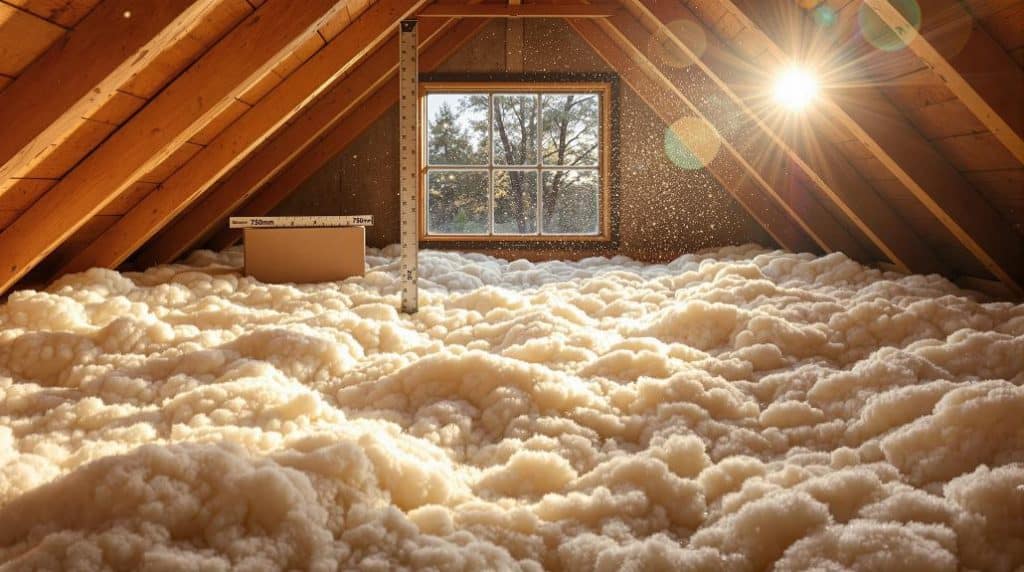
When it comes to eco-friendly loft insulation, you've got some great options! Think cork insulation, which is biodegradable and moisture resistant, or natural fibres like sheep's wool and hemp. They're non-toxic and super cosy! Recycled materials, like insulation made from plastic bottles, offer a sustainable touch too. If you want top performance, products like plant-based and high-performance insulation provide excellent thermal resistance. Plus, these choices can save you money on energy bills in the long run. So, go on, get comfy and cosy while helping the planet—who wouldn't want that? There's even more to explore about these fantastic options!
Key Takeaways
- Cork Insulation: Sustainable, biodegradable, and moisture-resistant with an R-value of 3.4 to 4.0 per inch, making it ideal for lofts.
- Natural Fibre Insulation: Made from renewable materials like cotton and sheep's wool; non-toxic and biodegradable with minimal energy production requirements.
- Recycled Cellulose: Eco-friendly options like Nu-Wool Premium Cellulose use 86% recycled content, offering excellent thermal resistance and sustainability.
- Plant-Based Insulation: Sourced from renewable materials such as hemp, these options provide good thermal resistance and are naturally fire-resistant.
- High-Performance Materials: Options like Thermafleece sheep's wool and SteicoFlex wood fibre enhance indoor air quality while providing durability and energy efficiency.
Cork Insulation
Cork insulation stands out as a fantastic eco-friendly option for homeowners looking to improve their lofts. Sourced from the western Mediterranean, cork isn't only sustainable but also biodegradable. So, when you choose cork, you're making a responsible decision for the planet.
Plus, it doesn't emit harmful gases or chemicals, keeping your indoor air quality fresh and clean.
One of the best perks? Cork insulation can help reduce your home's carbon footprint by saving energy and preventing heat loss. That means lower energy bills—who doesn't love that?
And when it comes to durability, cork is recyclable, giving it a second life instead of ending up in a landfill.
With an R-value of 3.4 to 4.0 per inch, cork offers thermal performance comparable to many popular insulation materials. It keeps your home cosy in winter and cool in summer.
Not to forget its moisture resistance, which can help ward off pesky mildew. So, if you're after a solution that's good for the environment and your wallet, cork insulation could be just what you need for your loft!
Natural Fiber Insulation
If you're exploring green insulation options, natural fibre insulation offers a compelling choice. Made from renewable materials like cotton, sheep's wool, and hemp, it greatly lowers your carbon footprint.
Plus, you get the bonus of healthier indoor air quality since these materials are non-toxic and free from harmful VOCs. Imagine a cosy home that keeps you warm, absorbs sound, and even resists fire—sounds pretty nice, right?
Cotton insulation is nontoxic but can be pricier, while sheep's wool provides great breathability. Hemp insulation is another fantastic option, offering high thermal performance without the guilt.
Just think about it: you're using materials that are biodegradable and require minimal energy to produce.
However, keep in mind that some natural fibres can be sensitive to moisture and might attract pests if left untreated. Installation is generally straightforward, but it's crucial to follow specific guidelines.
Recycled and Biodegradable Options
As you consider insulation options for your loft, recycled and biodegradable materials emerge as excellent choices that align with eco-friendly values. Not only do they help reduce waste, but they also contribute to a healthier planet. Imagine snuggling up in a cosy, well-insulated space while knowing you're making a difference!
Here's a quick look at some great options:
| Type of Insulation | Key Features |
|---|---|
| SupaSoft Recycled Plastic | Made from recycled bottles, VOC-free, easy to install. |
| Nu-Wool Premium Cellulose | 86% recycled content, low embodied energy. |
| Hemp Fibre Insulation | Biodegradable, compostable, renewable resource. |
Using recycled insulation like SupaSoft or Nu-Wool not only keeps your home warm but also diverts waste from landfills. Meanwhile, biodegradable options like hemp and wood fibre help guarantee your insulation doesn't stick around longer than it needs to.
Plant-Based Insulation
While exploring insulation options for your loft, consider the compelling advantages of plant-based materials. These eco-friendly choices not only come from renewable sources like hemp and cork, but they also help keep your home cosy.
Imagine curling up in a space that feels just right—thanks to the good thermal resistance these materials offer.
Plant-based insulation is breathable, helping regulate humidity and prevent pesky condensation. You won't have to worry about harmful chemicals, either, as these materials contribute to better indoor air quality.
Plus, many plant-based options, like cork and hemp, are naturally fire-resistant—talk about peace of mind!
You might find that materials like wood fibre or olive stone granules adapt well to your loft's unique shape, providing excellent insulation without breaking the bank.
Sure, the upfront cost might be a bit higher, but think of the long-term savings on energy bills.
And remember, crops like hemp even capture carbon dioxide while they grow, making your choice a win for the planet.
High-Performance Eco-Friendly Options
Exploring high-performance eco-friendly insulation options opens up a world of innovative materials that enhance both comfort and sustainability in your loft. You want to create a cosy space that's also kind to the planet, right? Let's plunge into some standout choices that fit the bill!
| Material | Key Benefits |
|---|---|
| SteicoFlex Wood Fibre | Renewable, non-toxic, and biodegradable |
| Thermafleece Sheep's Wool | Moisture regulation and low embodied energy |
| Recycled Denim Insulation | Excellent thermal efficiency and soundproofing |
| EKOLUTION Hemp Fibre | Biodegradable and great for thermal insulation |
These materials not only keep your loft warm but also contribute to a healthier indoor environment. Imagine snuggling up in a cosy space, knowing you've made a choice that benefits both you and Mother Earth! Plus, many of these options can save you money in the long run, thanks to energy efficiency. So, whether you're a seasoned DIYer or just starting your eco-friendly journey, these high-performance insulations are worth considering. They're like a warm hug for your home—without the guilt!
Sustainable Installation Practices
When you decide to insulate your loft sustainably, choosing the right installation practices is just as essential as the materials you select. For example, using multi-layer cross-hatching with materials like sheep's wool or cork can really amp up your insulation game. By laying layers in alternating directions, you minimise thermal bridging and create a snug thermal barrier.
Just remember, snug doesn't mean squished!
If you're dealing with tricky corners, precise fitting is your best friend. Measure carefully, and don't hesitate to use a template for complex shapes. This reduces waste and maximises coverage—your future self will thank you.
For loose-fill insulation, consider the stepped thickness application. Start with a uniform base and build up in thicker areas—think of it like building a cosy, insulated cake!
And don't forget about creating an airtight barrier with rigid cork or mycelium blocks. Fill those gaps with expanding foam for the ultimate thermal performance.
Lastly, always prioritise safety. Clear your loft space, wear a dust mask, and make certain you have good lighting.
A little prep goes a long way toward creating a warm, eco-friendly haven!
Economic and Environmental Impacts
Sustainable installation practices not only enhance the effectiveness of your loft insulation but also have significant economic and environmental impacts.
When you choose eco-friendly insulation, you're not just making a green choice; you're also saving some green.
Here are a few benefits you can look forward to:
- Reduced Energy Costs: You'll notice lower energy bills thanks to improved thermal performance.
- Long-Term Savings: Higher upfront costs may sting, but the long-term savings on heating and cooling are worth it.
- Increased Property Value: Your home's value can go up with eco-friendly materials, especially if you're aiming for green certifications.
- Potential Rebates and Tax Credits: Some insulation materials might qualify for rebates, making the initial investment easier to swallow.
On the environmental side, you're helping to reduce your carbon footprint.
Eco-friendly insulation often uses recycled materials and can improve indoor air quality.
Plus, you get to feel good about making a responsible choice!
So, while the initial costs can be a bit of a hurdle, the long-term benefits make it all worthwhile.
Just think of it as investing in a cosy, sustainable future!
Conclusion
So, when it comes to choosing eco-friendly loft insulation, you've got some fantastic options! From cork to natural fibres, each choice helps keep your home cosy while being kind to the planet. Plus, with sustainable practices, you're making a positive impact, both economically and environmentally. It's like giving Mother Earth a warm hug! So, go ahead and pick the insulation that suits you best—your home and the environment will thank you for it!