
Why DIY Solar Panels Need Council Approval First
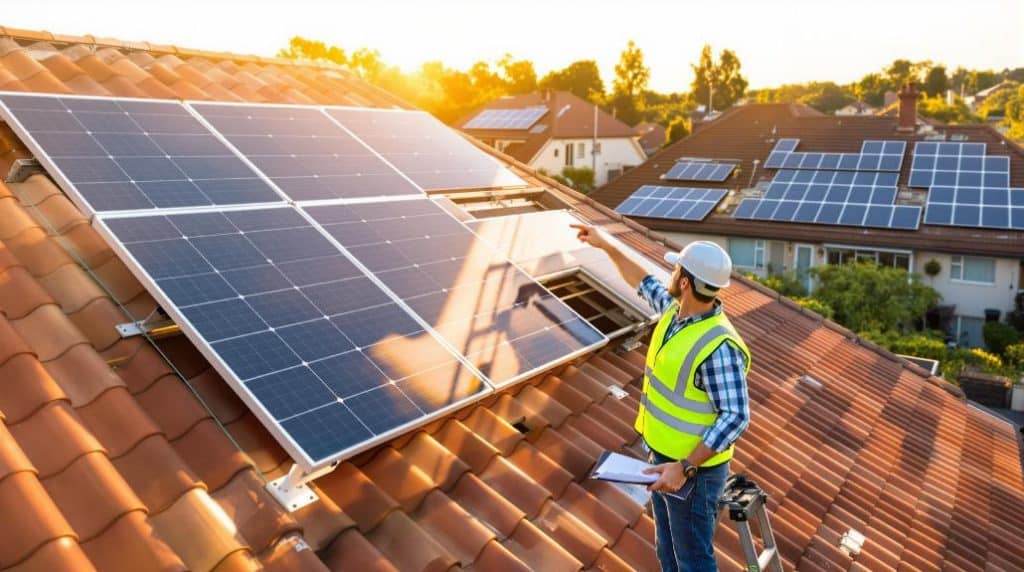
Getting council approval for your DIY solar panels is essential, and trust me, it's worth it! First, it guarantees you comply with local safety codes, preventing potential hazards like electrical fires. Plus, approval protects the structural integrity of your installation and can keep you out of hot water with fines or legal issues. You wouldn't want to accidentally turn your home into a solar horror story, right? Also, local regulations may dictate installation aesthetics, which can impact your neighbourhood's vibe. So, follow the rules, and you'll be one step closer to enjoying your solar-powered success! Want to know what to do next?
Key Takeaways
- Council approval ensures compliance with local electrical and building codes, preventing potential hazards like electrical fires.
- Approval verifies the safety and structural integrity of solar panel installations, protecting both homeowners and property.
- Local regulations may dictate installation methods and aesthetics, making approval essential for adherence to these guidelines.
- Non-compliance can result in fines, legal issues, and complications during future property transactions.
- Following the approval process enhances property value and allows access to incentives or rebates for approved solar systems.
Importance of Council Approval
When you decide to install DIY solar panels, obtaining council approval isn't just a formality; it's crucial for your safety and the community's well-being. You might think, "What's the big deal?" But let me tell you, council approval is your ticket to a safe solar experience.
It guarantees your installation meets local electrical and building codes, keeping everyone safe from potential hazards. Imagine the shock—literally—if your system wasn't up to snuff and caused an electrical fire!
Plus, you'll need to be certified or licenced to install those panels. That's not just a bureaucratic hassle; it's about making sure you're skilled enough to keep your home and the neighbourhood safe.
And don't forget about inspections! Local authorities will check your work, ensuring it's safe for everyone, including utility workers who might be repairing nearby lines.
Lastly, think about compliance as your shield against fines and legal troubles. If your installation isn't approved, you may face removal and hefty penalties.
Understanding Permitting Process
Before diving into your DIY solar panel project, it's essential to grasp the permitting process, as it can greatly impact your installation timeline and success.
First things first, you need to identify your local Authority Having Jurisdiction (AHJ). This includes your city and utility company, and you can find this information in the AHJ Registry.
Next, check if your AHJ allows DIY solar installations—trust me, you don't want to start only to find out you're breaking rules. Each jurisdiction has its own set of regulations, so understanding these is key.
Also, get clear on the types of permits you'll need. This could include electrical and building permits, among others.
Once you've gathered your documents, like electrical diagrams and site maps, you can submit them at the right location, whether online or in person.
Don't forget to ask about approval timelines; it usually takes about 30-45 days, but some areas might surprise you with quicker responses.
Required Building and Electrical Permits
Maneuvering the required building and electrical permits is essential for your DIY solar panel installation. You might think it's a hassle, but these permits guarantee your project meets local codes and keeps your home safe.
First off, you'll need a building permit, which verifies that your roof can handle those solar panels. If you're installing ground-mounted panels, a land use review might be in order, too.
On the electrical side, don't overlook the general electrical permit. This checks that your system complies with electrical codes. If your circuit breaker panel needs an upgrade, you'll need an additional permit for that. Plus, you'll want to make certain your wiring and conduits are properly sized, so don't forget those permits!
When applying, be ready to submit detailed plans, site surveys, and even engineering certifications. Sure, it sounds tedious, but think of it as a safety net for your home.
After all, you wouldn't want your solar dreams to turn into a shocking nightmare! So gather your documents, and get ready to impress the local building department. You've got this!
Zoning and Planning Considerations
As you plunge into your DIY solar panel project, understanding zoning and planning considerations is crucial for a smooth installation process.
First off, local governments have the final say on land use, including whether your solar setup is allowed. You'll want to check your zoning regulations to see if small rooftop or ground-mounted systems are permitted by-right. This could save you time and hassle!
Defining what qualifies as a small solar energy system can also make a big difference. If your project fits the criteria, you might skip a zoning review altogether before snagging that building permit.
Plus, some zoning codes even encourage solar-friendly design, like ideal lot orientation, to maximise those sunny benefits.
Integrating solar goals into local plans is key for growth, so keep an eye out for supportive development standards.
Want to avoid a mountain of paperwork? Make certain you contact your local utility early on, as they've their own approval process.
With a little research and planning, you can make sure your solar dream doesn't hit any bureaucratic roadblocks. After all, the sun's shining, and you don't want to miss out!
Safety and Compliance Measures
Once you've navigated zoning and planning considerations, it's time to focus on safety and compliance measures for your DIY solar panel installation. Keeping safety at the forefront is essential, so let's break down some vital steps you need to follow.
| Safety Measures | Compliance Steps | Installation Tips |
|---|---|---|
| Shut off all components before starting. | Obtain necessary permits beforehand. | Use at least two people to lift panels. |
| Wear protective gear like gloves and goggles. | Check local building codes. | Make sure ladders are stable and secure. |
| Cover panels to avoid sun exposure during setup. | Hire a professional for structural assessments. | Inspect the site for hazards before starting. |
Following these measures not only protects you but guarantees your installation meets local regulations. Remember, a little preparation goes a long way. Wear those safety goggles—no one wants a "panel in the eye" story! And when in doubt, don't hesitate to call in the pros. It's better to be safe than sorry when you're scaling roofs and dealing with electricity. Happy installing!
Inspection Requirements and Procedures
Before you can start enjoying the benefits of your DIY solar panels, you'll need to navigate the inspection requirements and procedures set by your local authorities.
First, grab that solar permit application from the local Authority Having Jurisdiction (AHJ) website or give them a call. You'll need to submit documentation like building permits and system design drawings. If you live in a neighbourhood with a homeowners association, don't forget to get their approval too!
Once you've got everything in order, it's time for inspections. A local AHJ inspector will come by to check if your solar setup meets all building and safety codes.
You'll also have a utility company inspection to verify your system is safe for interconnection. They'll verify fire pathways, equipment size, and installation quality.
If everything checks out, you'll receive a certificate of compliance, and you can finally flip the switch on your solar system!
Just remember, regular maintenance is key to keeping everything running smoothly. So, keep those inspection records handy—future you'll thank you!
Consequences of Non-Compliance
Failing to comply with local regulations when installing DIY solar panels can lead to significant consequences that go beyond just financial implications. You might think you're saving money, but unforeseen costs can sneak up on you, like pesky mosquitoes at a summer barbecue. Application fees, necessary plan revisions, and potential utility interconnection costs can quickly add up.
If you skip the permit process altogether, you risk creating safety hazards. Imagine miswired systems posing shocking dangers to you and your utility workers. Plus, if your panels aren't structurally sound, you might end up with a very expensive roof decoration—one that could even collapse!
Don't forget about the environmental and legal implications. Improper disposal of solar panels can lead to hazardous waste issues, making you the not-so-proud owner of a legal headache.
And if you think you can bypass Homeowners' Association rules, think again—there might be fines waiting for you.
In short, the consequences of non-compliance can turn your DIY solar dream into a costly nightmare. So, get those approvals in place, and keep your solar journey smooth and safe!
Conclusion
So, before you plunge into your DIY solar panel project, remember that getting council approval isn't just a formality—it's essential! Steering through the permitting process might seem intimidating, but it helps guarantee your system is safe and compliant. Plus, avoiding potential fines or issues down the line is a win-win. So, take a deep breath, gather those documents, and get started on the right foot. You'll be basking in solar glory before you know it!