
5 Best DIY Window Draught-Proofing Methods For Homes
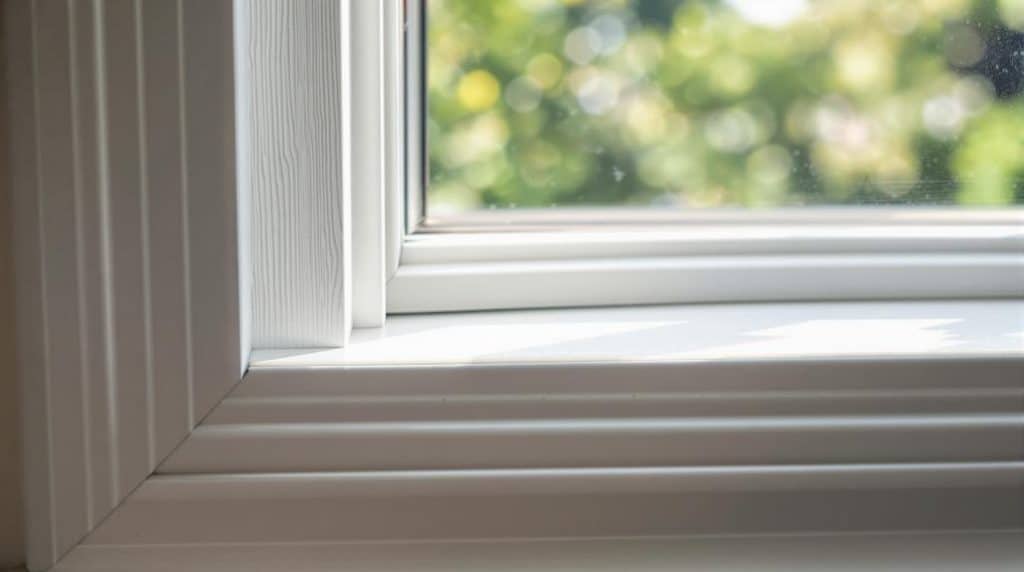
Looking to keep those pesky draughts at bay? You've got some great DIY options! Start with self-adhesive draught strips for an easy installation that can last years. If you've got sash windows, brush seals will be your best friend, blocking out noise and dust, too! Don't forget weatherstripping—like foam tape or rubber—because it fits snugly around any gaps. Bubble wrap is not just for packing; stick it on your windows for insulation. Finally, silicone sealant's easy to apply and super effective. These methods will make your home comfier, and there's even more to discover—just hang tight!
Key Takeaways
- Self-Adhesive Draught Strips: Seal gaps around windows using various materials to reduce energy costs and ensure proper sizing for effectiveness.
- Brush Seals for Sash Windows: Install synthetic fibre brush seals for complete sealing against draughts and noise, ensuring smooth window operation.
- Weatherstripping Techniques: Apply foam tape or rubber weatherstripping after cleaning surfaces for a snug fit to enhance energy efficiency.
- Bubble Wrap Insulation: Use bubble wrap for seasonal insulation on single-pane windows, reducing heat loss by up to 50% with easy application.
- Silicone Sealant Application: Apply silicone sealant around window edges for a durable, flexible solution to eliminate draughts, ensuring proper surface preparation.
Self-Adhesive Draught Strips
Self-adhesive draught strips are an effective and simple solution to seal gaps around your windows. You'll be amazed at how much of a difference they make!
First, it's essential to choose the right size; too thick, and your window won't close properly, while too thin won't keep those pesky draughts out. They come in various materials, like EPDM rubber and thermoplastic, so you can pick what suits your style.
Before diving into installation, make sure the window frame is clean. A little soapy water goes a long way here!
Then, measure your frames carefully, cutting the strips slightly longer for a snug fit. When applying, peel off the backing and press the strip firmly against the frame, starting from the corner.
These strips aren't just practical; they can save you money by reducing energy costs! Plus, they're durable and can last over a decade.
With various colours available, you can find a match for your window frames. So, why not give it a try? You'll enjoy a cosier home and contribute to sustainability—talk about a win-win!
Brush Seals for Sash Windows
Brush seals for sash windows offer an excellent solution for anyone looking to enhance energy efficiency and comfort in their home.
These nifty little strips are made from synthetic fibres that form a complete seal, shutting out those pesky draughts and annoying external noises. Plus, they help keep dust at bay, which is always a win!
Installing brush seals does require a bit of finesse. You'll need a router and a straight flute cutter to create a groove for the brush pile.
But don't worry, with a little practice, you'll have those windows sealed up in no time. Once installed, they're practically invisible, making them perfect for period homes.
One of the best parts? They last longer than foam strips and provide a low-drag design, ensuring smooth window operation without scuffing the paintwork.
However, be cautious about over-sealing, as you'll want to maintain some ventilation.
Weatherstripping Techniques
Weatherstripping techniques are essential for sealing gaps around windows and doors, ensuring your home stays cosy and energy-efficient.
You'll be amazed at how much warmth you can save with just a few simple steps. Let's explore some popular types!
- Foam Tape: Great for windows and doors that don't see much action.
- V Strip: Perfect for double-hung windows; it seals where the sashes meet.
- Rubber, Vinyl, or Silicone: These are your go-tos for high-traffic areas.
- Tubular Weatherstripping: Ideal for sealing those pesky gaps at the meeting rail.
Before you get started, remember to clean the surfaces thoroughly.
Measure and cut your weatherstripping to fit perfectly. Then, peel and stick it down, making sure it's snug.
For V strip weatherstripping, fold it into a V shape for the best seal!
You'll not only enjoy a cosier home, but you could also save on energy bills.
Plus, who doesn't love a little DIY accomplishment? Just think of it as giving your windows a warm hug!
Bubble Wrap Insulation
If you've sealed those gaps around your windows with weatherstripping, you might be looking for additional ways to enhance insulation. One fun and effective method is using bubble wrap! It can reduce heat loss by an impressive 50% on single-pane windows and about 20% on double-pane ones. Plus, it's super easy to apply and remove, making it a great seasonal solution.
Here's a quick guide on how to use bubble wrap for insulation:
| Step | Description |
|---|---|
| Cut to size | Measure and cut the bubble wrap to fit your window frame. |
| Mist with water | Lightly mist the bubble wrap to help it adhere to the glass. |
| Fold for sash windows | Fold it for sash windows to create a snug fit. |
| Notch for smaller panes | Notch the wrap for smaller panes for a tight seal. |
| Secure with sticky tape | Use tape to keep everything in place! |
While bubble wrap is a cost-effective and reusable option, remember to remove it during warmer months to keep it in good shape. So, grab that bubble wrap, and let's keep those cold draughts at bay!
Silicone Sealant Application
Applying silicone sealant is a straightforward yet impactful way to eliminate drafts around your windows. It's like giving your home a cosy hug!
First, make sure to clean the surface with rubbing alcohol or window cleaner. This helps the sealant stick better. If you're unsure where those sneaky drafts are, light a candle and move it along the edges of your window frame—watch for the flicker!
Here's how to get started:
- Tape the edges for a neat finish.
- Cut the tip of the sealant tube at a 45-degree angle.
- Load it into a caulking gun and apply with a steady hand.
- Smooth it out for an even look and remove the tape while it's still wet.
Don't forget to let the sealant cure according to the instructions—usually around 24 hours.
This stuff is durable, flexible, and even resists mould. So, after you've sealed those gaps, you can sit back and enjoy a cosier, draft-free home. Plus, your heating bill might just thank you!
Happy sealing!
Conclusion
So, there you have it—five easy ways to keep those pesky draughts at bay! Whether you go for self-adhesive strips or get creative with bubble wrap, each method can help make your home cosier and save on bills. Plus, it's a fun weekend project! You'll be amazed at how much difference a little effort can make. So, grab your supplies, roll up your sleeves, and enjoy a snugger, more energy-efficient home. You've got this!