
What Are The Most Affordable Home Renewables?
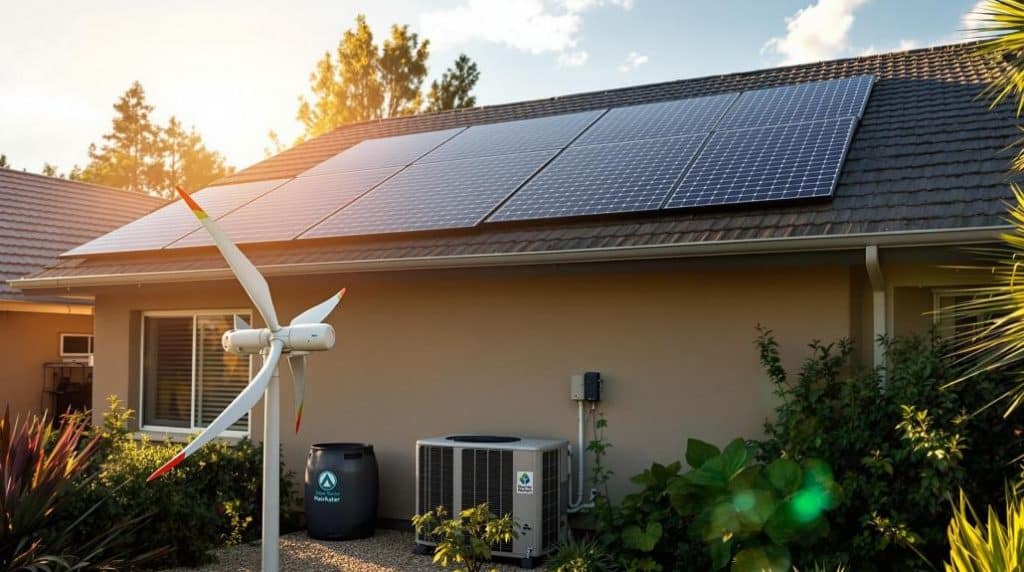
If you want to go green without emptying your wallet, solar energy's your best bet. It's widely available, lasts about 30 years, and can save you up to £120,000. Plus, with installation costs averaging around £20,948, it's becoming more budget-friendly. Wind energy is another option, but it works best where the breeze is strong and constant. Then there's geothermal, great for heating and cooling with initial costs varying widely. While these might seem like big numbers, think of the savings over time. Don't worry—there's more to explore about each of these options!
Key Takeaways
- Solar Energy: Installation costs range from £10,000 to £35,000, with significant long-term savings averaging £50,000 over 25 years.
- Geothermal Systems: Initial costs between £10,000 and £50,000 lead to long-term energy savings and efficient heating/cooling.
- Microhydropower Systems: Ideal for homes near water sources, offering low environmental impact and potential cost savings.
- Biomass Energy: Utilises organic materials for energy, providing an affordable renewable option while reducing waste.
- Energy Efficiency Improvements: Simple upgrades like insulation and ENERGY STAR appliances can significantly reduce energy consumption and costs.
Benefits of Solar Energy
When you choose solar energy, you're not just opting for a renewable resource; you're also making a positive impact on the environment. Imagine harnessing the sun's power without spewing pollution into the air—sounds great, right?
Solar energy systems don't produce air pollution or greenhouse gases, which means you're helping keep the air cleaner for everyone.
Using solar panels can also reduce our reliance on fossil fuels, which are notorious for harming our planet. Within just a few years of operation, your solar panels become carbon neutral, operating sustainably for about three decades. That's like giving Mother Earth a big high-five!
Plus, solar energy is a champion when it comes to water conservation. Unlike traditional power plants, solar systems don't require tonnes of water to generate electricity. So, you can feel good knowing that you're saving this precious resource.
However, it's worth noting that large solar farms can affect local wildlife and land use, but with careful planning, these impacts can be minimised.
Cost Analysis of Solar Panels
Choosing solar energy not only benefits the environment but also involves a considerable financial investment. When looking into solar panels, you might feel overwhelmed by the numbers. Don't worry; let's break it down together!
Here's a quick overview of the costs involved:
| Cost Factors | Estimated Range | Notes |
|---|---|---|
| Residential System | £10,000 to £35,000 | Varies by size and location |
| Cost per Watt | £2.39 to £3.66 | Installation often adds to this |
| Installation Costs | £25,000 to £50,000 | Includes labour and equipment |
| Average Cost | ~£20,948 for 11 kW | Base cost |
| Break-even Period | 7.5 to 12 years | Depends on utility rates |
As you can see, costs can vary widely based on several factors. If you're considering solar, think about installation distance from your utility metre and local rates, as they can impact your final price. Plus, keep your eyes peeled for those savings!
Understanding Wind Energy Options
How do you harness the power of the wind to generate energy at home? It's simpler than you might think! Wind energy options come in various shapes and sizes, making them perfect for your unique living situation.
Here are some exciting options to evaluate:
- Rooftop Wind Turbines: Great for urban areas with limited space.
- Small Wind Electric Systems: Perfect for off-grid living or remote locations.
- Bladeless Wind Turbines: Innovative designs that reduce noise and maintenance.
- Vertical Spiral Turbines: Capture wind from all directions, ideal for tight spots.
- Hybrid Systems: Combine wind and solar for maximum efficiency.
When choosing a wind energy system, think about your location and energy needs.
While certain turbines are better for suburban backyards, others work wonders in rural settings.
Plus, combining wind energy with solar panels can create a powerful duo that keeps your home humming with renewable energy.
Just imagine, you could be generating your own power while the wind does all the heavy lifting—pretty cool, right?
Exploring Geothermal Solutions
After exploring wind energy options, it's time to contemplate another powerful renewable resource: geothermal energy. Imagine tapping into the earth's natural heat to keep your home cosy in winter and cool in summer. Sounds neat, right?
Here's a quick look at some benefits of geothermal heat pumps:
| Benefits | Details |
|---|---|
| Cleaner & Healthier | Improves air quality by eliminating fossil fuel combustion. |
| Efficient Heating & Cooling | Moves more energy than it consumes, saving you money. |
| Greater Comfort | Provides whisper-quiet, even temperatures year-round. |
| Convenience & Longevity | Lasts longer with minimal maintenance. |
Geothermal systems extract heat from the ground in winter and disperse it throughout your home. In summer, they do a little reverse magic to cool things down. While installation can run between £10,000 and £50,000, you'll find that, over time, the energy savings and reduced maintenance costs lead to significant long-term savings. So, why not explore this eco-friendly option? Your home—and the planet—will thank you!
Overview of Microhydropower Systems
Microhydropower systems offer a compelling solution for harnessing the energy of flowing water, making them an excellent choice for homeowners seeking sustainable energy options. If you've got a stream or river nearby, you might just have the perfect setup for this technology!
Here's what you can expect from microhydropower:
- Reliable Energy: Enjoy a consistent power supply, even when the sun isn't shining.
- Low Environmental Impact: These systems are designed to harmonise with nature, using run-of-river techniques.
- Cost-Effective: With low maintenance costs and impressive durability, it's a smart long-term investment.
- Flexible Usage: Ideal for off-grid living or supplementing your existing energy needs.
- Scalable Solutions: Whether for a single home or a small community, there's a setup that fits.
The process is pretty cool too! Water flows through an intake system, moves down a penstock pipe, and spins a turbine to generate electricity in the powerhouse.
After all that, the water is returned to the stream, keeping things eco-friendly. So, if you're ready to tap into nature's energy, microhydropower might just be your ticket!
Hybrid Renewable Energy Systems
Harnessing energy from multiple sources can enhance your home's sustainability even further than microhydropower alone. Hybrid Renewable Energy Systems are a fantastic way to combine different energy sources, like solar and wind, with energy storage.
Imagine having a system that uses photovoltaic arrays, wind turbines, and batteries to give you consistent power, even when the sun isn't shining or the wind isn't blowing.
These systems can run on or off the grid, which means you won't be left in the dark during an outage. Plus, electronic controllers make it easy to automate operations, like battery charging and switching energy sources, so you can sit back and relax.
The reliability of hybrid systems is impressive, balancing the ups and downs of renewable energy. With scalability, whether you live in a tiny cottage or a sprawling mansion, there's a hybrid solution for you.
Not only will you cut down on emissions, but you'll also improve air quality and save on energy costs. So, why not take a step towards a greener future and consider a hybrid system? Your home—and the planet—will thank you!
Tax Incentives for Homeowners
If you're considering renewable energy for your home, tax incentives can considerably offset the costs. These incentives can make going green not just an eco-friendly choice but also a financially savvy one!
Here's what you need to know:
- 30% tax credit for installations from 2022-2032.
- No cap on the amount you can claim!
- Eligible equipment includes solar panels, battery storage, and geothermal pumps.
- Roll-over option: unused credits can carry over to future years.
- No income limit to claim the federal solar tax credit.
To claim this, you'll need to fill out IRS Form 5695. Just make sure you own the system and it's installed at your primary or secondary residence.
Remember, the clock is ticking—a gradual reduction in the tax credit starts in 2033. So, don't wait too long!
Navigating these incentives might feel overwhelming, but they're designed to make your shift to renewable energy smoother and more affordable. Immerse yourself in the benefits!
Installation Considerations
When planning to install renewable energy systems in your home, it is crucial to take into account several factors that can affect both performance and cost. You don't want to end up with a system that doesn't quite meet your needs or fits awkwardly into your space.
Here's a quick overview of installation considerations:
| Factor | Description | Importance |
|---|---|---|
| Energy Audits | Assess current usage and find reduction areas. | Makes sure you know your needs. |
| Site Evaluation | Check sunlight and wind potential. | Maximises energy production. |
| Local Regulations | Understand codes for installation. | Keeps you compliant and safe. |
| Installer Qualifications | Hire certified pros familiar with your area. | Guarantees quality installation. |
| Battery Storage | Decide if you need backup power. | Enhances system reliability. |
Energy Efficiency Improvements
Energy efficiency improvements can greatly reduce your home's energy consumption and costs, making it easier to embrace renewable energy solutions.
Think of it as giving your home a little TLC—tender love and care that pays off in spades!
Here are some affordable improvements you might consider:
- Air sealing and insulation can cut energy use by about 10%.
- Upgrading to energy-efficient windows and doors helps reduce heat loss considerably.
- Look into programmable thermostats—they can save you up to 10% on your heating and cooling bills!
- Replace old appliances with ENERGY STAR qualified models to slash energy consumption.
- Regular maintenance and tune-ups for heating and cooling systems can make a world of difference.
Comparing Long-Term Savings
While exploring renewable energy options, understanding the long-term savings can greatly influence your decision.
Let's break it down: if you opt for solar energy, you could save between £28,000 and £120,000 over the system's lifetime. That's an impressive average of about £50,000 over 25 years! Imagine what you could do with that extra cash—maybe a vacation or that shiny new gadget you've had your eye on.
On the flip side, wind energy can also be a smart choice, especially if you live in a windy area. Monthly savings can range from £45 to £103, but keep in mind that installation costs are higher, typically between £65,000 and £95,000.
If you're thinking about a hybrid system, combining solar and wind might be ideal for rural homes, though it can get pricey.
Remember, renewable energy isn't just a trend; it's here to stay, and with declining costs and state incentives, it's becoming the cheapest source of energy.
Conclusion
So, there you have it! Whether you're eyeing solar panels, considering wind turbines, or exploring geothermal options, there's a renewable energy solution that fits your budget. Not only can these options save you money in the long run, but they also help the planet, which is a win-win in my book! Plus, with tax incentives and energy-efficient upgrades, you'll feel like a savvy superhero in your own home. Ready to make the switch? Let's get started!