
7 Signs Your Boiler Might Need Repairs Soon
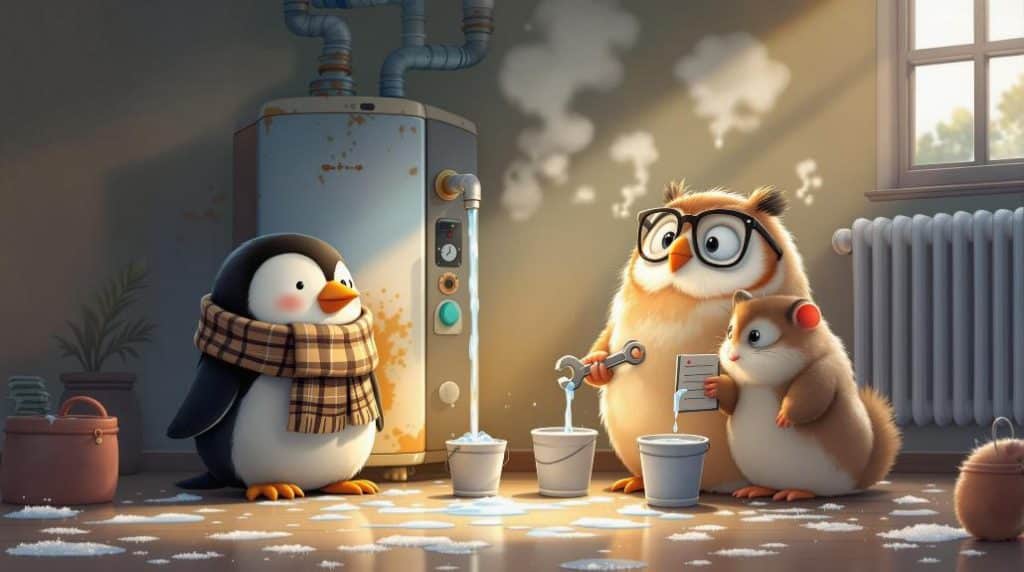
Seven key signs suggest your boiler needs attention: unusual noises like banging or whistling, water leaks around the system, low pressure readings below 1 bar, a yellow or orange pilot light instead of blue, unexplained increases in energy bills, cold spots in your radiators, and unreliable hot water supply. While some issues, like bleeding radiators for gurgling sounds, can be DIY fixes, others require professional help. Don't ignore these warning signals – they often start small but can lead to bigger, costlier problems. Let's explore each sign in detail to help you keep your heating system running smoothly.
Key Takeaways
- Unusual noises like banging, whistling, or gurgling from your boiler indicate potential issues requiring professional attention.
- Yellow or orange pilot light instead of blue suggests ventilation problems or gas supply issues needing immediate inspection.
- Water leaks, damp spots, or puddles around the boiler system signal serious problems requiring urgent repairs.
- Inconsistent hot water temperatures or cold radiators often indicate thermostat malfunctions or pressure system problems.
- Rising energy bills without increased usage suggest declining boiler efficiency caused by clogged filters or faulty components.
Strange Noises From Your Boiler
When your boiler starts making unusual noises, it's often the first sign that something isn't working properly. You might hear gurgling, banging, whistling, or even humming sounds that weren't there before, and each of these noises tells a different story about what's going on inside your heating system.
If you're hearing gurgling sounds, don't panic – it's usually just trapped air in the system, and you can often fix this by bleeding your radiators.
However, those worrying banging noises might mean you've got limescale buildup or loose pipes that need attention. Whistling sounds? That's typically another sign of limescale or trapped air making its presence known.
When your boiler starts humming or vibrating, it's usually trying to tell you there's an issue with the pump. Think of it as your boiler's way of saying, "Hey, I could use a checkup!"
While some noises might seem harmless, it's best not to ignore them. If you're unsure about what's causing the racket, don't play amateur detective – get a Gas Safe engineer to take a look. They'll know exactly what's making your boiler sing its unwanted symphony.
These strange noises are particularly common in Baxi boiler systems and often require professional diagnosis for proper repair.
Water Leaks Around System
A water leak from your boiler system isn't just an annoyance – it's a serious warning sign that demands immediate attention.
If you've noticed puddles around your boiler's base, damp spots on nearby walls, or mysterious drips, don't ignore these telltale signs. They're your boiler's way of crying out for help!
The causes of these leaks can range from corroded pipes (they're not getting any younger!) to loose connections and faulty seals. High water pressure can also force water to escape through weak points, much like squeezing a water balloon too hard.
When your boiler starts leaking, you'll likely notice some frustrating symptoms: inconsistent heating, longer wait times for hot water, and – everyone's favourite – higher utility bills.
If you spot a leak, here's what to do: First, turn off your boiler – safety first!
Then, shut off the water supply using your stopcock. While you're gathering your thoughts (and hopefully a bucket to catch the drips), call a Gas Safe registered engineer. They'll properly diagnose and fix the issue before it turns your home into an impromptu indoor swimming pool!
Our 12-month guarantee on replacement parts ensures your repair investment is protected for the long term.
Low Pressure Readings
Is your boiler's pressure gauge showing worryingly low readings? Don't panic – this is one of the most common boiler issues UK homeowners face, and there's usually a straightforward solution.
When you check your pressure gauge, you'll want to see it sitting comfortably between 1 and 1.5 bar. Anything lower could explain why your home isn't as toasty as it should be.
You might've noticed some telltale signs already – those frustratingly lukewarm radiators, the hot water that's more 'tepid trickle' than 'powerful stream,' or those strange gurgling noises coming from your heating system (it's not a monster in the pipes, we promise!).
These are all classic symptoms of low boiler pressure that shouldn't be ignored.
Before you reach for the filling loop to top up the pressure, it's worth checking for any sneaky leaks first. Look for damp patches on walls, water stains, or mysterious puddles around your pipework.
If you spot any of these, you'll want to get them fixed before adding more water – otherwise, you're just putting a plaster on a leaky bucket!
Regular gas pressure checks during annual servicing can help prevent these issues from developing in the first place.
Yellow or Orange Pilot Light
The bright blue flame of a healthy pilot light serves as your boiler's essential sign. If you've noticed it's turned yellow or orange, don't ignore this warning – it's your boiler's way of crying for help.
Just like how a traffic light signals when to stop, your pilot light's colour change is telling you something's not quite right. Several culprits could be behind this colour shift. You might've too much air sneaking into your system through drafts, or perhaps your pilot tube's gotten a bit clogged with debris (think of it as your boiler's version of a stuffy nose).
Sometimes, it's as simple as poor ventilation, but here's the thing – whatever the cause, it's not something to shrug off. When you spot that yellow or orange glow, it's time to take action.
First, switch off your boiler and gas supply – safety first! Then, don't try to channel your inner DIY hero; this is definitely a job for the professionals. Call a Gas Safe Registered engineer right away, as the issue could be producing carbon monoxide, which isn't something you want hanging around your home. Regular winter maintenance by Gas Safe registered professionals is especially crucial as households rely more heavily on their boilers during the cold months.
Rising Energy Costs
When your energy bills start climbing without explanation, your boiler might be sending you a costly warning signal.
If you've noticed your heating costs creeping up while your usage stays the same, it's time to pay attention to what your boiler's trying to tell you.
Your trusty boiler could be struggling with several issues that are making it work harder than necessary.
A clogged filter, faulty thermostat, or air in the system can force your boiler to consume more energy just to maintain your home's temperature.
It's like asking someone to run a marathon with a twisted ankle – they'll finish the race, but it won't be pretty or efficient!
Don't ignore these warning signs, as they'll only lead to bigger problems and even higher bills down the road.
The good news? Regular maintenance can help keep your boiler running efficiently and your energy costs in check.
If you're dealing with an older model that's showing its age, upgrading to a newer, more efficient boiler might seem expensive initially, but you'll thank yourself when those energy bills start shrinking.
Installing a smart thermostat system could help you achieve energy savings of up to 31% by optimizing your heating schedule and learning your daily routines.
Cold Spots in Radiators
While rising energy bills might be your first warning sign, cold spots in your radiators offer another clear indication that your boiler needs attention.
If you've noticed certain areas of your radiators feeling chilly while others are toasty warm, you're likely dealing with one of several common issues that shouldn't be ignored.
Think of your radiator as a hot water highway – when there's a traffic jam, heat can't flow freely. If the bottom of your radiator feels cold, you've probably got a build-up of sludge (that's just a fancy word for the gunk that forms from rust and limescale).
When the top's cold, trapped air is usually the culprit – a bit like an air bubble blocking the flow. Sometimes, it's as simple as a stuck valve acting like a stubborn traffic light that won't turn green.
Don't worry, though – most of these issues are fixable. A power flush can clear out that pesky sludge, while bleeding your radiators releases trapped air.
Regular maintenance, like installing a MagnaCleanse system, can prevent future problems. Just remember, ignoring these cold spots isn't just uncomfortable – it's costing you money on your heating bills.
For optimal heating efficiency, consider combined servicing options that address both your boiler and hot water cylinder maintenance needs.
Unreliable Hot Water Supply
Ever noticed your hot water playing hide and seek? You're ready for a relaxing shower, but the water's either lukewarm or completely cold. This frustrating issue often points to your boiler needing some attention, and there are several culprits behind this annoying problem.
Your thermostat might be the troublemaker here – it's like the brain of your heating system, and when it's not working properly, you'll definitely feel it in your shower. Sometimes it's just confused and needs recalibration, whilst other times it might need replacing altogether.
If you're hearing strange gurgling sounds, you might've airlocks in your system, or sediment could be building up like unwanted houseguests in your pipes.
Keep an eye out for any suspicious puddles or damp spots around your boiler – they're telling you there's a leak somewhere, which can cause low pressure and interrupt your hot water supply.
And don't ignore those failing components like diaphragms and diverter valves – they're essential players in keeping your hot water flowing reliably. If you're experiencing any of these issues, it's time to call in a professional before that cold shower becomes your new normal.
For combi boiler owners, faulty flow switches commonly cause hot water problems and should be checked during maintenance visits.
Frequently Asked Questions
How Often Should a Boiler Be Professionally Serviced?
You'll need to get your boiler serviced annually by a qualified professional. It's essential for maintaining warranty, ensuring safety, and ideal performance. Electric boilers may require less frequent servicing than gas or oil models.
What Is the Average Lifespan of a Residential Boiler?
Your residential boiler will typically last 10-15 years. With proper maintenance, it could extend to 30 years. High-quality models, regular servicing, and good water quality can help you maximise your boiler's lifespan.
Can I Service My Boiler Myself or Must I Hire Professionals?
You shouldn't service your boiler yourself. For safety and legal reasons, you must hire a Gas Safe registered engineer in the UK. DIY repairs are dangerous and can void your warranty or result in fines.
Are Boiler Repairs Covered Under Standard Home Insurance Policies?
Whilst your standard home insurance may include some boiler coverage, it's not guaranteed. You'll need to check your policy details, as coverage varies widely and often requires additional home emergency protection.
When Is the Best Time of Year to Replace an Aging Boiler?
You'll want to replace your ageing boiler during spring or summer months. These off-peak seasons offer shorter wait times, lower installation costs, and minimal disruption to your heating needs while avoiding winter emergencies.
Conclusion
If you've noticed any of these warning signs with your boiler, don't wait until it completely breaks down. You'll save money and avoid winter emergencies by addressing issues early on. Schedule a qualified heating engineer to inspect your system, especially if you're spotting multiple red flags. Remember, regular maintenance is always cheaper than emergency repairs or full replacements, so stay proactive about your boiler's health.
Dealing with this fault? I cover boiler repairs in Dartford and Gravesend — or book a boiler servicing to catch problems early.